Unveiling the Beauty of Brugmansia Suaveolens
Brugmansia Suaveolens, also known as Angel’s Trumpet, is a stunning and enchanting plant that captivates all who encounter it. With its trumpet-shaped flowers and intoxicating fragrance, this plant truly lives up to its heavenly name. But there is so much more to Brugmansia Suaveolens than just its beauty – let’s delve deeper into the world of this magical plant.
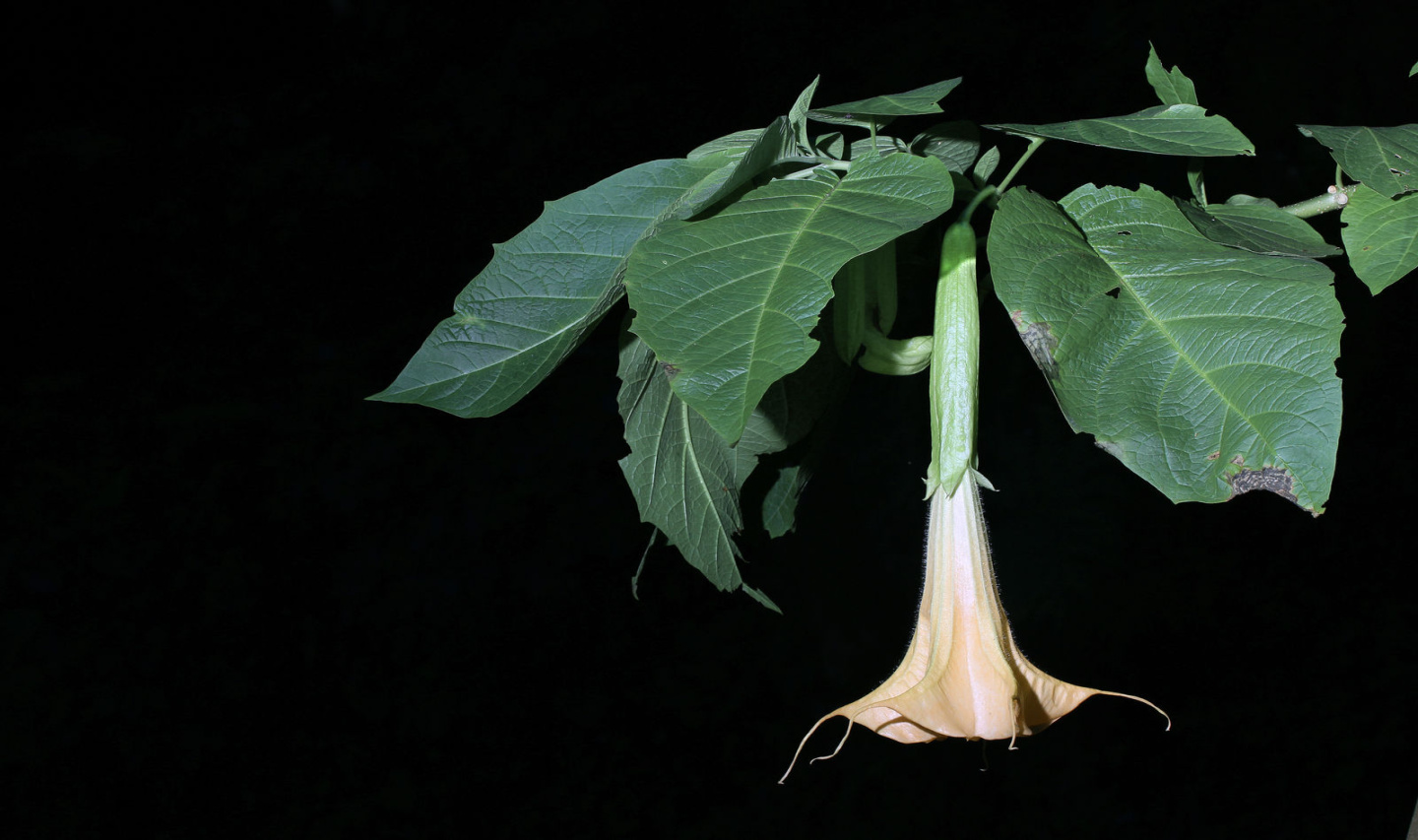
Native to South America, Brugmansia Suaveolens belongs to the Solanaceae family, which also includes tomatoes, potatoes, and peppers. The plant can be grown as a shrub or a small tree, reaching heights of up to 15 feet. Its large, pendulous flowers come in a variety of colors, including white, yellow, pink, and orange, adding a pop of color to any garden or landscape.
One of the most striking features of Brugmansia Suaveolens is its intoxicating fragrance. The flowers release a sweet and heady scent that fills the air, attracting pollinators such as moths and butterflies. This fragrance is particularly potent in the evening, earning the plant the nickname Angel’s Trumpet for its heavenly aroma.
In addition to its beauty and fragrance, Brugmansia Suaveolens also has a rich cultural history. In many South American countries, the plant is considered sacred and is used in traditional rituals and ceremonies. Its hallucinogenic properties have led to its use in shamanic practices, where it is believed to connect humans with the spirit world.
But Brugmansia Suaveolens is not just a plant of mystery and intrigue – it also has practical uses. The plant has been used in traditional medicine for its analgesic and anti-inflammatory properties. However, it is important to note that all parts of the plant are toxic if ingested, so caution should be exercised when handling and growing Brugmansia Suaveolens.
When it comes to growing Brugmansia Suaveolens, there are a few key things to keep in mind. The plant thrives in warm, tropical climates and prefers full sun to partial shade. It is important to provide the plant with well-draining soil and regular watering to keep it healthy and thriving. In colder climates, Brugmansia Suaveolens can be grown in containers and brought indoors during the winter months.
Pruning is also important when it comes to caring for Brugmansia Suaveolens. Regular pruning will help promote new growth and flowering, as well as maintain the plant’s shape and size. It is best to prune the plant in late winter or early spring, before new growth begins.
Overall, Brugmansia Suaveolens is a truly magical and enchanting plant that is sure to bring beauty and fragrance to any garden or landscape. Whether used in traditional rituals or simply enjoyed for its stunning flowers, the Angel’s Trumpet plant is a true marvel of nature. So next time you encounter a Brugmansia Suaveolens, take a moment to appreciate its beauty and the magic it brings to the world.
A Heavenly Guide to Growing Angel’s Trumpet Plants
Brugmansia Suaveolens, also known as the Angel’s Trumpet plant, is a beautiful and exotic flowering shrub that is sure to add a touch of elegance to any garden. With its large, trumpet-shaped flowers and sweet fragrance, this plant is truly a sight to behold. If you’re looking to grow your own Angel’s Trumpet plant, then look no further! Here is a heavenly guide to help you get started on your journey to cultivating these magnificent plants.
First and foremost, it’s important to choose the right location for your Angel’s Trumpet plant. These plants thrive in full sun to partial shade, so be sure to plant them in a spot that receives plenty of sunlight. Additionally, Angel’s Trumpet plants prefer well-draining soil, so make sure to plant them in a location with good drainage.
When it comes to watering your Angel’s Trumpet plant, it’s important to keep the soil consistently moist, but not soggy. Be sure to water your plant regularly, especially during hot and dry weather. However, be careful not to overwater your plant, as this can lead to root rot.
Fertilizing your Angel’s Trumpet plant is also crucial for its growth and blooming. Use a balanced, slow-release fertilizer to feed your plant throughout the growing season. Be sure to follow the instructions on the fertilizer package to ensure that you are providing your plant with the proper nutrients.
Pruning is another important aspect of caring for your Angel’s Trumpet plant. Prune your plant in the late winter or early spring to shape it and promote new growth. Be sure to remove any dead or diseased branches, as well as any branches that are crossing or rubbing against each other.
One of the most striking features of the Angel’s Trumpet plant is its large, trumpet-shaped flowers. These flowers can range in color from white to pink to yellow, and they typically bloom in the late summer to early fall. To encourage blooming, deadhead your plant regularly by removing spent flowers.
It’s also important to keep an eye out for pests and diseases that can affect your Angel’s Trumpet plant. Common pests include aphids, spider mites, and whiteflies, so be sure to inspect your plant regularly and treat any infestations promptly. Additionally, watch out for powdery mildew and other fungal diseases, and treat them with a fungicide if necessary.
In conclusion, growing Angel’s Trumpet plants can be a rewarding and enjoyable experience. With the right care and attention, these plants will reward you with their stunning flowers and sweet fragrance. So why not add a touch of heavenly beauty to your garden with an Angel’s Trumpet plant today? Happy gardening!