Sowing the Seeds of Joy: A Guide to Growing Petunias
When it comes to adding a pop of color and beauty to your garden, petunias are an excellent choice. These vibrant and versatile flowers are relatively easy to grow from seed, making them a popular choice for both beginner and experienced gardeners alike. In this article, we will explore the process of successfully planting and caring for petunias from seed, so you can enjoy a garden full of these stunning blooms.
To start, you will need to gather your supplies. You will need petunia seeds, seed starting mix, small pots or trays, a spray bottle for watering, and a warm, sunny spot to place your seeds. Petunia seeds are tiny, so be careful when handling them to avoid losing any. Fill your pots or trays with seed starting mix, and gently press the seeds into the soil. Be sure to follow the instructions on the seed packet for the correct planting depth.
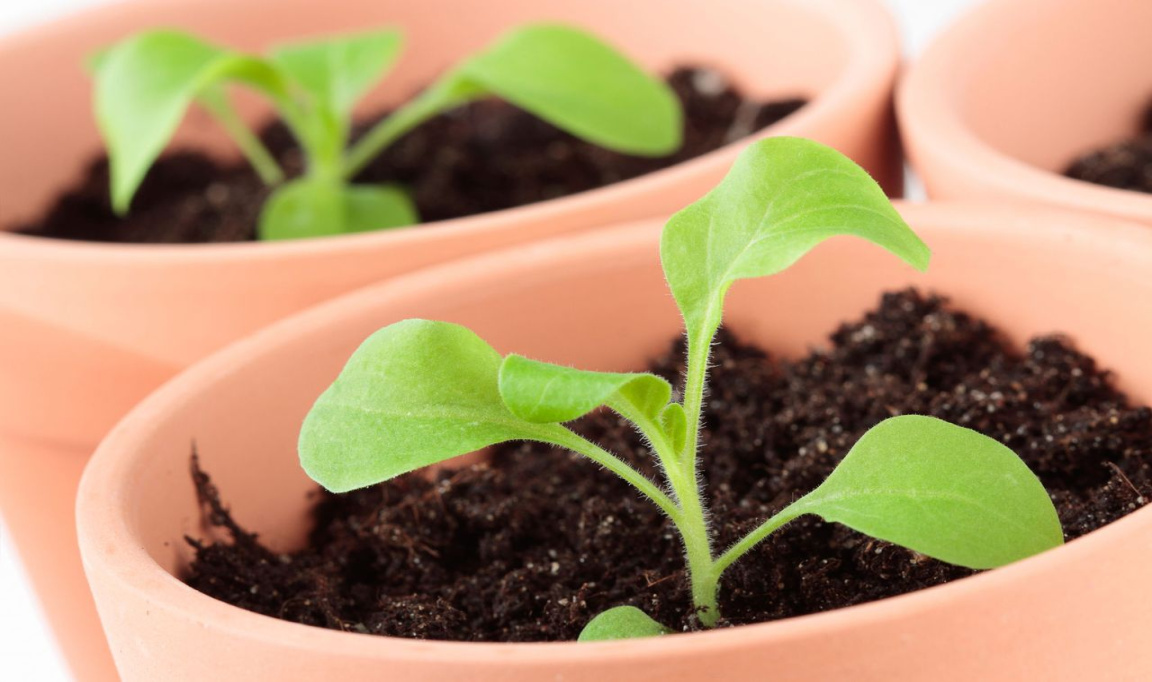
Once your seeds are planted, mist the soil with water from the spray bottle to keep it moist. Petunia seeds require consistent moisture to germinate, so be sure to check the soil regularly and water as needed. Place your pots or trays in a warm, sunny spot, such as a windowsill or greenhouse, to encourage germination. Within a week or two, you should start to see tiny seedlings emerge from the soil.
As your petunia seedlings grow, it is important to provide them with proper care to ensure healthy and vigorous plants. Keep the soil consistently moist but not waterlogged, as this can lead to root rot. Once your seedlings have developed their first set of true leaves, it is time to transplant them into larger pots or directly into your garden.
When transplanting your petunias, be sure to choose a sunny location with well-draining soil. Petunias thrive in full sun, so be sure to plant them in a spot that receives at least 6-8 hours of sunlight per day. Dig a small hole in the soil, gently remove the seedling from its pot, and place it in the hole. Cover the roots with soil and water thoroughly to help settle the plant into its new home.
Once your petunias are planted, it is important to continue caring for them to ensure healthy growth and abundant blooms. Water your plants regularly, especially during hot and dry weather, to keep the soil consistently moist. Fertilize your petunias every 2-3 weeks with a balanced fertilizer to promote strong growth and vibrant blooms.
Deadhead your petunias regularly by removing faded flowers to encourage continuous blooming throughout the growing season. This not only keeps your plants looking tidy but also encourages the production of new blooms. Pinch back the growing tips of your petunias every few weeks to promote bushier growth and more flowers.
In addition to proper care, it is important to keep an eye out for pests and diseases that can affect your petunias. Common pests that may target petunias include aphids, whiteflies, and spider mites. To prevent infestations, regularly inspect your plants and treat any pests promptly with organic insecticidal soap or neem oil.
Overall, growing petunias from seed is a rewarding and enjoyable experience that can bring beauty and joy to your garden. By following these tips for planting and caring for your petunias, you can successfully grow these stunning flowers and enjoy their vibrant blooms all season long. So grab your seeds, roll up your sleeves, and get ready to sow the seeds of joy with your own beautiful petunia garden.
Cultivating Beauty: Tips for Planting and Nurturing Petunias
Petunias are one of the most popular and beloved flowers in gardens all around the world. Their vibrant colors and delicate blooms make them a favorite among gardeners of all levels. If you’re looking to add some beauty to your garden this year, look no further than the lovely petunia. In this guide, we will provide you with some tips for planting and nurturing petunias so you can enjoy their beauty all season long.
When it comes to planting petunias, there are a few key things to keep in mind. First and foremost, choose a sunny spot in your garden for your petunias. These flowers thrive in full sun and will reward you with abundant blooms if given the right amount of light. Make sure to plant your petunias in well-draining soil to prevent waterlogged roots, which can lead to root rot.
Before planting your petunia seeds or seedlings, it’s important to prepare the soil properly. Mix in some compost or fertilizer to give your plants the nutrients they need to grow healthy and strong. Once you have prepared the soil, you can either sow your petunia seeds directly into the ground or transplant your seedlings into the prepared soil.
When planting petunia seeds, make sure to follow the instructions on the seed packet for proper spacing and depth. Water the seeds well after planting and keep the soil consistently moist until the seeds germinate. Once your petunias have sprouted, you can reduce the frequency of watering, but make sure not to let the soil dry out completely.
If you are planting petunia seedlings, gently remove them from their containers and loosen the roots before planting them in the soil. Water the seedlings well after planting to help them establish in their new home. Make sure to space the seedlings according to the instructions on the plant tags to give them room to grow and spread.
Once your petunias are planted, it’s important to provide them with the proper care to ensure they thrive throughout the growing season. Water your petunias regularly, especially during hot, dry weather. Make sure to water at the base of the plants to prevent moisture from collecting on the leaves, which can lead to disease.
In addition to regular watering, it’s important to fertilize your petunias to help them grow and bloom. Choose a balanced fertilizer and apply it according to the instructions on the package. Avoid over-fertilizing your petunias, as this can lead to excessive foliage growth at the expense of flowers.
To encourage your petunias to continue blooming throughout the season, deadhead spent flowers regularly. This will help to promote new growth and keep your plants looking neat and tidy. Simply pinch off the faded flowers at the base of the stem to encourage new blooms to form.
Another important aspect of caring for petunias is to keep an eye out for pests and diseases. Common pests that can affect petunias include aphids, spider mites, and whiteflies. If you notice any signs of pest infestation, treat your plants with an appropriate insecticidal soap or pesticide to keep them healthy.
In conclusion, planting and nurturing petunias is a rewarding and enjoyable experience that can bring beauty and joy to your garden. By following the tips outlined in this guide, you can successfully grow petunias that will reward you with their vibrant colors and delicate blooms all season long. So go ahead and add some petunias to your garden this year – you won’t be disappointed!