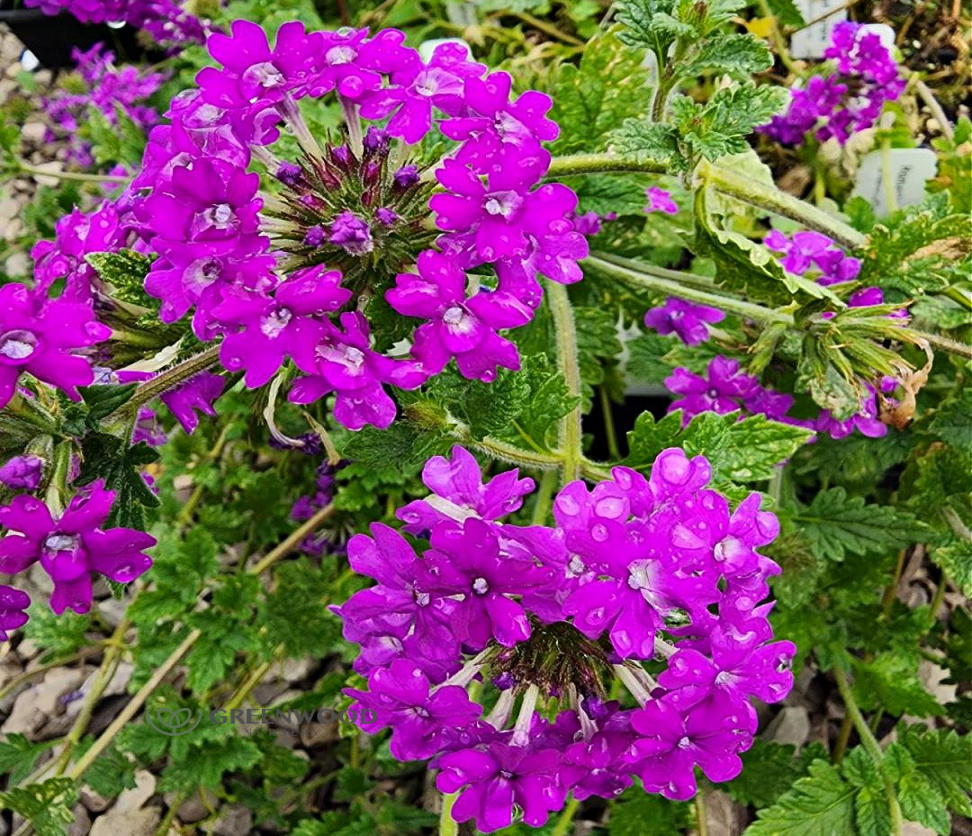
Discover the Splendor of Verbena
Verbena, with its delicate clusters of vibrant flowers in shades of pink, purple, red, and white, is a true gem in any garden. This versatile plant not only adds a pop of color to your outdoor space but also attracts butterflies and hummingbirds with its sweet nectar. If you’re looking to add a touch of beauty and vibrancy to your garden, look no further than the stunning Verbena.
When it comes to growing and caring for Verbena, there are a few key things to keep in mind. First and foremost, Verbena thrives in full sun, so be sure to plant it in a spot where it will receive at least 6-8 hours of sunlight per day. It also prefers well-draining soil, so make sure to amend your soil with compost or other organic matter to ensure good drainage.
Verbena is a relatively low-maintenance plant, but it does require regular watering, especially during hot, dry periods. Be sure to water your Verbena deeply, allowing the water to reach the roots, but be careful not to overwater as this can lead to root rot. A layer of mulch around the base of the plant can help retain moisture and keep the roots cool.
One of the best things about Verbena is its long blooming period, which typically lasts from late spring to early fall. Deadheading, or removing spent flowers, can help encourage new growth and prolong the blooming season. Simply pinch off the faded blooms with your fingers or a pair of scissors to keep your Verbena looking fresh and vibrant.
In addition to deadheading, regular pruning can also help keep your Verbena looking its best. Trim back any leggy or overgrown stems to encourage bushier growth and more blooms. You can also cut back the entire plant by half in the late summer to promote a second flush of flowers in the fall.
While Verbena is generally pest and disease resistant, it can sometimes fall victim to powdery mildew, a fungal disease that appears as a white powdery coating on the leaves. To prevent powdery mildew, make sure to space your Verbena plants apart to allow for good air circulation, and avoid overhead watering which can promote the growth of the fungus.
If you do notice signs of powdery mildew on your Verbena, you can treat it with a fungicide or a homemade remedy such as a mixture of water and baking soda. Be sure to remove and dispose of any affected leaves to prevent the disease from spreading.
Overall, Verbena is a beautiful and versatile plant that is sure to brighten up any garden. With the right care and attention, you can enjoy its vibrant blooms and sweet fragrance throughout the growing season. So why not add a touch of splendor to your garden with Verbena?
Cultivating Joy: A Verbena Care Guide
Verbena plants are not only beautiful additions to any garden, but they also bring a sense of joy and vibrancy with their colorful blooms and delicate foliage. In this guide, we will explore the various aspects of growing and caring for verbena plants to help you unleash their full potential in your garden.
Choosing the Right Variety:
Before you start cultivating verbena, it is essential to choose the right variety for your garden. There are many different types of verbena plants, including annuals and perennials, as well as trailing and upright varieties. Consider the climate and growing conditions in your area to select a variety that will thrive in your garden.
Planting Verbena:
Verbena plants prefer full sun and well-drained soil. When planting verbena, make sure to space the plants appropriately to allow for good air circulation and prevent overcrowding. Water the plants regularly, especially during hot and dry periods, but be careful not to overwater as verbena plants are susceptible to root rot.
Feeding and Fertilizing:
To ensure healthy growth and abundant blooms, it is essential to feed and fertilize your verbena plants regularly. Use a balanced fertilizer formulated for flowering plants and apply according to the manufacturer’s instructions. Avoid over-fertilizing as this can lead to excessive foliage growth at the expense of blooms.
Pruning and Deadheading:
Regular pruning and deadheading are essential for maintaining the health and appearance of verbena plants. Deadheading spent blooms will encourage continuous flowering, while pruning leggy growth will promote bushier growth and a more compact habit. Use clean, sharp pruners to avoid damaging the plants.
Pest and Disease Control:
Verbena plants are relatively low-maintenance, but they are susceptible to certain pests and diseases, such as aphids, powdery mildew, and spider mites. Keep an eye out for any signs of infestation or disease and take prompt action to prevent further spread. Use organic or chemical control methods as needed.
Overwintering:
In colder climates, verbena plants may not survive the winter outdoors. Consider overwintering your plants indoors or taking cuttings to propagate new plants for the following growing season. Properly preparing your verbena plants for winter will ensure their survival and continued growth.
Companion Planting:
Verbena plants make excellent companion plants for a wide variety of other flowers and herbs in the garden. Consider planting verbena alongside marigolds, petunias, or lavender to create a colorful and fragrant display. Be mindful of the growing requirements of the companion plants to ensure compatibility.
Harvesting and Using Verbena:
In addition to their ornamental value, verbena plants have culinary and medicinal uses. The leaves and flowers of some verbena varieties can be used to make herbal teas or infusions, while others are prized for their aromatic properties. Harvest verbena leaves and flowers as needed, taking care not to damage the plants.
By following this care guide, you can unleash the full potential of verbena plants in your garden and enjoy their beauty and vibrancy throughout the growing season. Cultivating joy with verbena is not only a rewarding experience but also a delightful way to enhance your garden landscape.