Embracing Nature’s Remedy: Tanacetum Parthenium
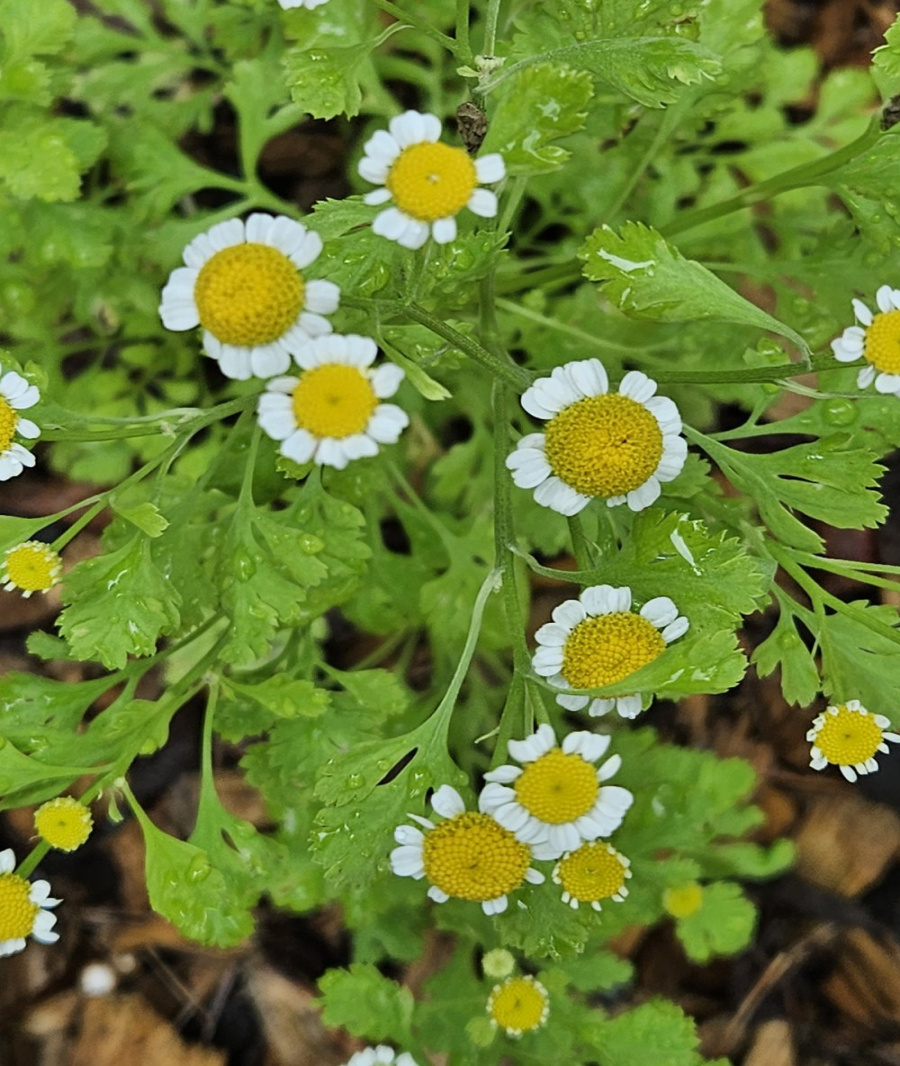
In the world of natural remedies and herbal medicine, the feverfew plant, scientifically known as Tanacetum Parthenium, stands out as a powerful healer with a long history of use. This charming plant, with its delicate daisy-like flowers and aromatic leaves, has been revered for centuries for its medicinal properties and its ability to treat a variety of ailments.
Feverfew is native to Europe and has been used in traditional medicine for centuries. Its name is derived from the Latin word febrifugia, which means fever reducer. It has been used to treat a wide range of health issues, from headaches and migraines to arthritis and digestive problems. The plant contains a compound called parthenolide, which is believed to be responsible for its anti-inflammatory and pain-relieving effects.
One of the most well-known uses of feverfew is in the treatment of migraines. Studies have shown that taking feverfew regularly can reduce the frequency and severity of migraines, making it a popular choice for those who suffer from chronic headaches. The plant is believed to work by reducing inflammation in the blood vessels in the brain, which can help to prevent the onset of migraines.
Feverfew is also known for its anti-inflammatory properties, which can be beneficial for those suffering from conditions such as arthritis and inflammatory bowel disease. The plant can help to reduce swelling and pain in the joints, making it a natural and effective alternative to traditional pain medications.
In addition to its anti-inflammatory effects, feverfew is also believed to have antimicrobial properties, making it useful for treating infections and boosting the immune system. The plant is rich in antioxidants, which can help to protect the body from damage caused by free radicals and reduce the risk of chronic diseases.
Feverfew is easy to grow and can be cultivated in a garden or in a pot on a sunny windowsill. The plant prefers well-drained soil and plenty of sunlight, making it a low-maintenance addition to any herbal garden. The leaves and flowers of the plant can be harvested and used fresh or dried for medicinal purposes.
To use feverfew medicinally, the leaves and flowers can be brewed into a tea, made into a tincture, or taken in capsule form. The recommended dosage varies depending on the individual and the condition being treated, so it is important to consult with a healthcare provider before using feverfew as a natural remedy.
Overall, embracing nature’s remedy of Tanacetum Parthenium, or feverfew, can be a powerful way to harness the healing power of plants and improve overall health and well-being. Whether you suffer from migraines, arthritis, or simply want to boost your immune system, feverfew can be a gentle and effective natural remedy to add to your holistic health routine. So why not discover the magic of this wonderful plant and incorporate it into your daily wellness regimen?
Discover the Magic of Feverfew: A Plant of Healing
In the world of natural remedies, there is a plant that stands out for its incredible healing properties – Tanacetum Parthenium, more commonly known as Feverfew. This unassuming plant may just look like a cluster of dainty white flowers, but it holds within it a powerful potential to heal a variety of ailments and promote overall wellness.
Feverfew has been used for centuries in traditional medicine practices for its anti-inflammatory, antioxidant, and pain-relieving properties. It is particularly well-known for its ability to alleviate symptoms of migraines, making it a popular choice for those seeking natural relief from this debilitating condition. This plant has also been used to treat arthritis, digestive issues, and fevers, showcasing its versatility as a healing herb.
One of the key components of Feverfew’s healing power lies in its high concentration of parthenolide, a compound that has been shown to inhibit the release of serotonin and other inflammatory substances in the body. This action can help reduce the intensity and frequency of migraines, as well as provide relief from other inflammatory conditions.
But Feverfew’s benefits extend beyond just physical healing. This plant has also been used to promote mental clarity and emotional well-being. Its calming properties can help reduce stress and anxiety, while its anti-inflammatory effects can support overall brain health. In this way, Feverfew serves as a holistic remedy for both the body and mind.
In addition to its medicinal properties, Feverfew is also a beautiful and easy-to-grow plant that can be a lovely addition to any garden. Its delicate white flowers and feathery leaves add a touch of elegance to outdoor spaces, while its low-maintenance nature makes it a perfect choice for novice gardeners. Whether grown in a pot on a sunny windowsill or in a garden bed, Feverfew is sure to bring beauty and healing energy to any environment.
To harness the healing power of Feverfew, there are a variety of ways to incorporate this plant into your daily routine. One popular method is to brew Feverfew tea, which can be enjoyed hot or cold and provides a soothing and therapeutic experience. Feverfew can also be dried and used in herbal preparations such as tinctures, salves, and oils, allowing you to customize your healing regimen to suit your needs.
Whether you are seeking relief from migraines, arthritis, or simply looking to boost your overall health and wellness, Feverfew is a plant worth exploring. Its magical combination of healing properties, beauty, and ease of cultivation make it a truly special herb that has the potential to transform your health and vitality. So why not discover the magic of Feverfew for yourself and unlock the healing power of this remarkable plant?