A Divine Beauty: Introducing the Pagoda Dogwood Plant
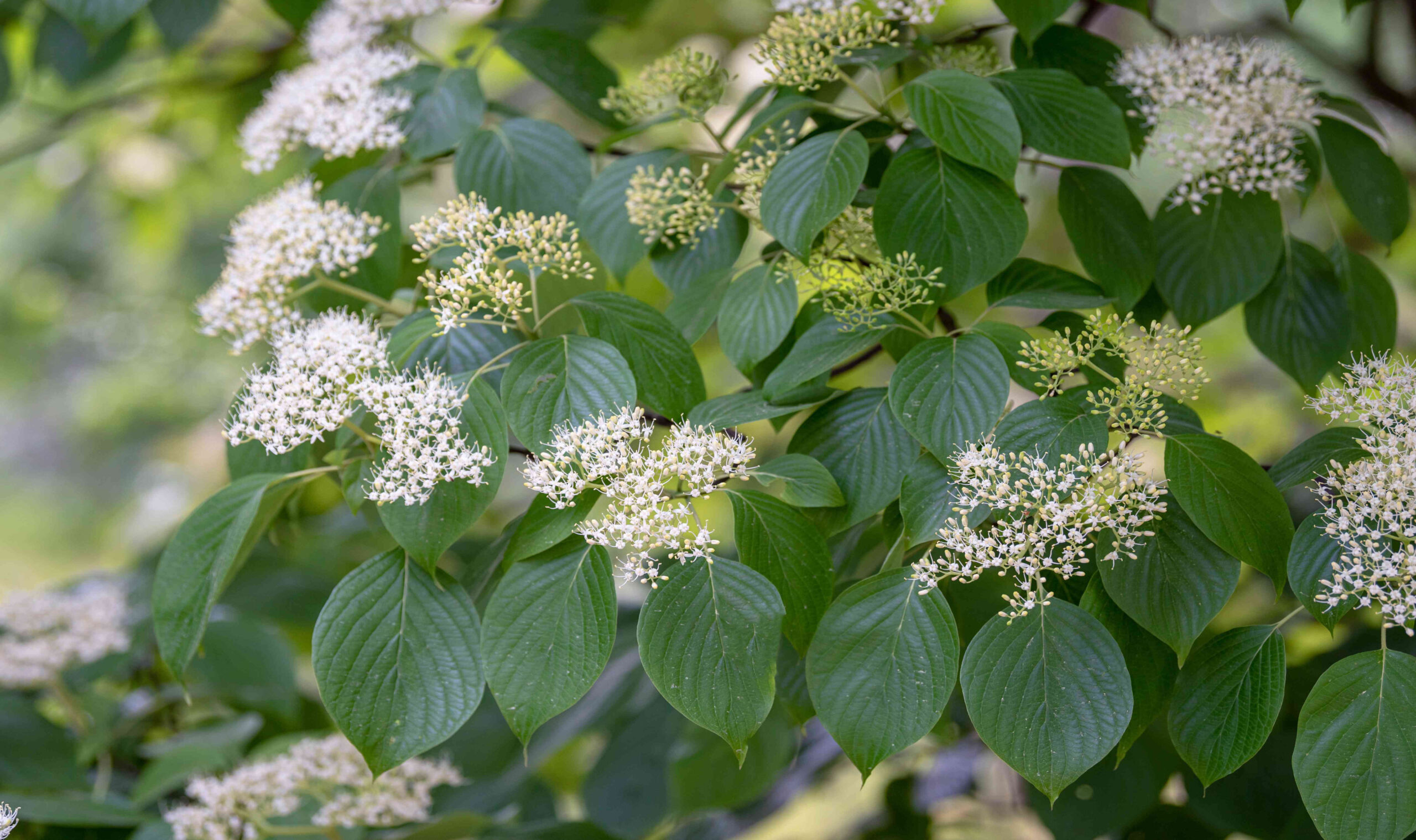
If you’re looking to add a touch of elegance and grace to your garden, look no further than the stunning Pagoda Dogwood plant. Known for its delicate white flowers and unique horizontal branches, this plant is truly a divine beauty that will captivate anyone who lays eyes on it.
The Pagoda Dogwood, also known as Cornus alternifolia, is a native plant to North America that thrives in shady woodland areas. It gets its name from the tiered, pagoda-like shape of its branches, which give it a distinctive and eye-catching appearance. The plant blooms in late spring to early summer, producing clusters of small white flowers that are a magnet for pollinators like butterflies and bees.
One of the most striking features of the Pagoda Dogwood is its foliage. The leaves are oval-shaped and dark green in color, with a glossy sheen that adds to the plant’s overall beauty. In the fall, the leaves turn a vibrant shade of red, creating a stunning display of color in your garden.
In addition to its visual appeal, the Pagoda Dogwood also offers practical benefits for your garden. The plant is relatively low-maintenance and can thrive in a variety of soil types, as long as it is well-drained. It prefers partial shade, making it an ideal choice for gardens with dappled sunlight or areas that receive morning sun and afternoon shade.
When planting a Pagoda Dogwood, be sure to choose a location that provides enough space for the plant to spread out its branches. The plant can grow up to 25 feet tall and wide, so give it room to flourish and show off its graceful form. Water the plant regularly, especially during dry periods, to ensure that it stays healthy and vibrant.
To truly make the most of the Pagoda Dogwood’s beauty, consider planting it alongside other shade-loving plants with contrasting foliage and textures. Ferns, hostas, and hydrangeas are all excellent companions for the Pagoda Dogwood, creating a lush and layered look in your garden.
Whether you’re a seasoned gardener or just starting out, the Pagoda Dogwood plant is a fantastic choice for adding a touch of elegance and grace to your outdoor space. Its stunning flowers, unique branches, and vibrant foliage make it a standout feature in any garden, and its low-maintenance nature makes it easy to care for and enjoy year after year.
So why not bring a touch of divine beauty to your garden with the exquisite Pagoda Dogwood plant? With its graceful form and captivating presence, this plant is sure to be a showstopper in your outdoor oasis.
Embracing Elegance: Growing Tips for Pagoda Dogwood
The Pagoda Dogwood plant, known for its stunning beauty and graceful appearance, is a popular choice among gardeners looking to add a touch of elegance to their outdoor space. With its unique pagoda-like shape and delicate white flowers, this plant is sure to turn heads and create a peaceful atmosphere in any garden. If you’re considering adding a Pagoda Dogwood to your landscape, here are some growing tips to help you make the most of this gorgeous plant.
First and foremost, it’s important to choose the right location for your Pagoda Dogwood. These plants thrive in partial shade, so be sure to plant them in an area that receives morning sun and afternoon shade. Avoid planting them in full sun, as this can cause the leaves to scorch and the plant to become stressed. Additionally, Pagoda Dogwoods prefer well-drained soil that is slightly acidic, so be sure to amend your soil accordingly before planting.
When it comes to watering, Pagoda Dogwoods prefer consistently moist soil. Be sure to water your plant regularly, especially during hot and dry periods. Mulching around the base of the plant can help retain moisture and keep the roots cool. Avoid overwatering, as this can lead to root rot and other issues. A good rule of thumb is to water deeply once a week, allowing the soil to dry out slightly between waterings.
Pruning is another important aspect of caring for your Pagoda Dogwood. Regular pruning will help maintain the plant’s shape and promote healthy growth. Prune your plant in late winter or early spring, before new growth begins. Remove any dead or damaged branches, as well as any branches that are crossing or rubbing against each other. This will help improve air circulation and prevent disease.
Fertilizing your Pagoda Dogwood is also important for maintaining its health and beauty. Apply a balanced fertilizer in early spring, before new growth begins. Be sure to follow the manufacturer’s instructions for application rates and frequency. Avoid overfertilizing, as this can lead to excessive growth and weak branches.
One of the most striking features of the Pagoda Dogwood is its beautiful white flowers, which appear in late spring to early summer. These flowers are followed by small blue-black berries in the fall, which are a favorite among birds. To encourage blooming, be sure to provide your plant with adequate water and sunlight. You can also apply a phosphorus-rich fertilizer in early spring to promote flower production.
In addition to its stunning flowers, the Pagoda Dogwood also boasts vibrant fall foliage. The leaves turn a beautiful shade of red in the autumn, adding a pop of color to your garden. To help enhance the fall color, be sure to plant your Pagoda Dogwood in a location that receives ample sunlight in the fall. Avoid planting it in a spot that is prone to early frost, as this can cause the leaves to drop prematurely.
Overall, caring for a Pagoda Dogwood is relatively easy and requires minimal maintenance. With the right growing conditions and a little bit of care, you can enjoy the beauty and elegance of this gorgeous plant in your own garden. Whether you’re looking to add a focal point to your landscape or simply enjoy the peaceful atmosphere it creates, the Pagoda Dogwood is sure to impress with its grace and charm.