Discover the Enchanting World of Cynara Cardunculus
The Cynara Cardunculus, commonly known as the Cardoon, is a truly enchanting plant that can add a touch of magic to any garden. With its striking architectural form and vibrant silvery-green foliage, this stunning plant is sure to turn heads and captivate all who behold it.
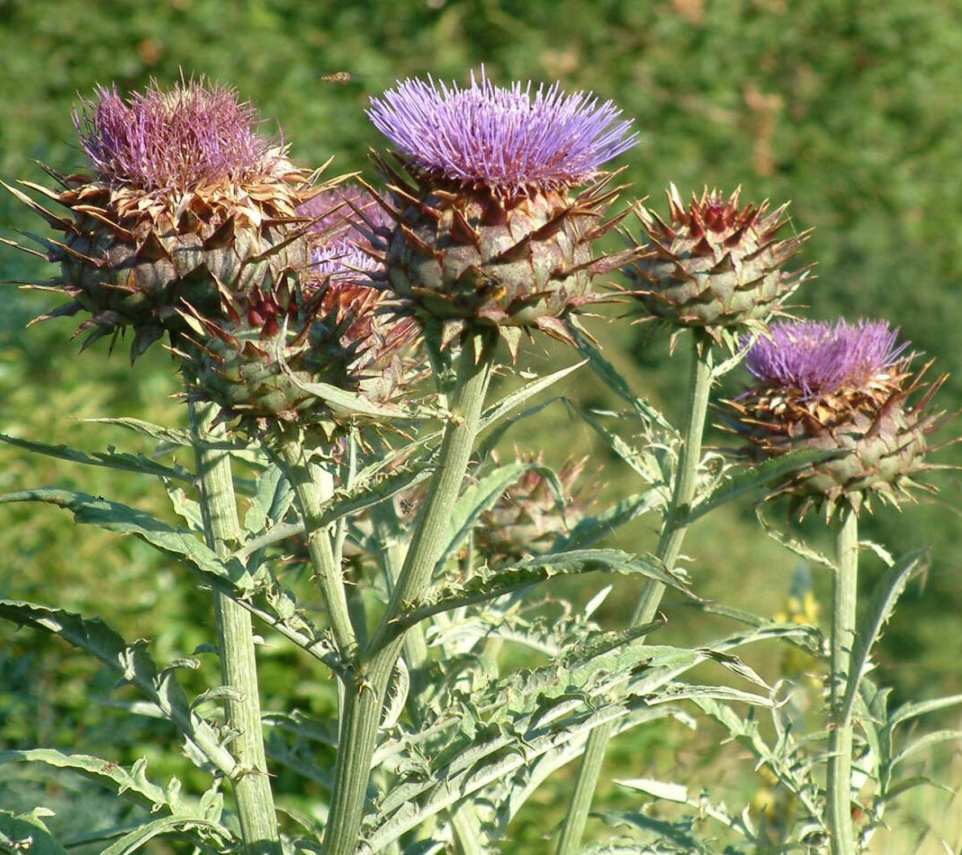
Native to the Mediterranean region, the Cardoon is a member of the thistle family and is closely related to the globe artichoke. It is known for its large, spiky leaves and tall, majestic flower stalks that can reach heights of up to six feet. The flower heads of the Cardoon are a sight to behold, with their intricate purple and white blooms that attract bees, butterflies, and other pollinators to the garden.
Growing and caring for Cynara Cardunculus is a rewarding experience that can bring joy and beauty to any space. To cultivate this majestic plant, it is important to choose a sunny location with well-draining soil. The Cardoon thrives in full sun and can tolerate a wide range of soil types, making it a versatile addition to any garden.
When planting Cynara Cardunculus, it is important to space the plants at least three feet apart to allow for proper air circulation and growth. Watering is crucial during the plant’s establishment period, but once established, the Cardoon is relatively drought-tolerant and requires minimal maintenance. Adding a layer of mulch around the base of the plant can help retain moisture and suppress weeds.
One of the most striking features of the Cardoon is its unique foliage, which adds texture and drama to any garden. The large, silvery-green leaves of the plant create a bold statement and provide a stunning backdrop for other plants in the garden. The foliage of the Cardoon is also deer-resistant, making it a great choice for gardens where wildlife may be a concern.
In addition to its ornamental value, Cynara Cardunculus is also a versatile plant with edible qualities. The stems of the Cardoon can be harvested and cooked in a variety of ways, similar to artichokes. The tender inner stalks can be peeled and boiled or steamed, then used in salads, soups, or as a side dish. The flavor of the Cardoon is often described as mild and slightly nutty, making it a unique addition to any culinary repertoire.
Overall, growing and caring for Cynara Cardunculus is a rewarding experience that can bring beauty, charm, and a touch of magic to any garden. With its striking foliage, majestic flower heads, and versatile nature, the Cardoon is a plant that is sure to enchant all who encounter it. Whether grown for its ornamental value or its edible qualities, the Cynara Cardunculus is a plant that is truly deserving of its place in the garden.
Cultivating and Nurturing the Magnificent Globe Artichoke
The Globe Artichoke, scientifically known as Cynara Cardunculus, is a stunning and unique plant that can add a touch of elegance to any garden. With its majestic beauty and delicious edible buds, this plant is a favorite among gardeners and food enthusiasts alike. In this guide, we will explore the art of growing and caring for the Globe Artichoke, so you too can enjoy the beauty and bounty of this magnificent plant.
To start your Globe Artichoke journey, you will need to select a sunny spot in your garden with well-drained soil. These plants thrive in full sun and require fertile soil to reach their full potential. Once you have chosen the perfect location, it’s time to prepare the soil by adding compost or organic fertilizer to provide the nutrients that the Globe Artichoke needs to grow healthy and strong.
When planting Globe Artichoke, it is best to start with established plants rather than seeds. This will give you a head start in the growing process and ensure a higher success rate. Plant the Globe Artichoke in early spring, spacing them about 3 feet apart to allow room for the plant to spread out as it grows. Make sure to water the plants regularly, especially during dry spells, to keep the soil moist and the plant hydrated.
As the Globe Artichoke plant grows, it will begin to produce beautiful, silvery-green foliage that adds a touch of elegance to any garden. The leaves are large and deeply lobed, creating a dramatic and architectural presence in the landscape. In the summer months, the plant will also produce stunning purple flowers that attract bees and other pollinators to the garden.
One of the most exciting aspects of growing Globe Artichoke is the anticipation of harvesting the delicious edible buds that the plant produces. To harvest the buds, wait until they are firm and plump, then cut them from the plant with a sharp knife. It is best to harvest the buds before they begin to open, as they will become tough and inedible once the flowers start to bloom.
In addition to the edible buds, the Globe Artichoke plant also produces a secondary harvest of smaller, tender buds that can be harvested later in the season. These smaller buds are just as delicious as the larger ones and can be enjoyed in a variety of culinary dishes.
When it comes to caring for Globe Artichoke, there are a few key things to keep in mind. First and foremost, make sure to regularly fertilize the plants with a balanced fertilizer to keep them healthy and thriving. Additionally, be on the lookout for pests such as aphids and slugs, which can damage the plants if left unchecked.
To protect the Globe Artichoke plant from pests, consider using natural remedies such as neem oil or insecticidal soap. These organic solutions are safe for the plant and the environment, making them a great choice for eco-conscious gardeners.
Overall, growing and caring for the Globe Artichoke plant is a rewarding experience that will not only add beauty to your garden but also provide you with a delicious and nutritious harvest. With a little bit of time and effort, you can enjoy the majestic beauty of Cynara Cardunculus in your own backyard. So roll up your sleeves, get your hands dirty, and start cultivating your very own Globe Artichoke garden today!