Discover the Enchantment of Balloon Flowers
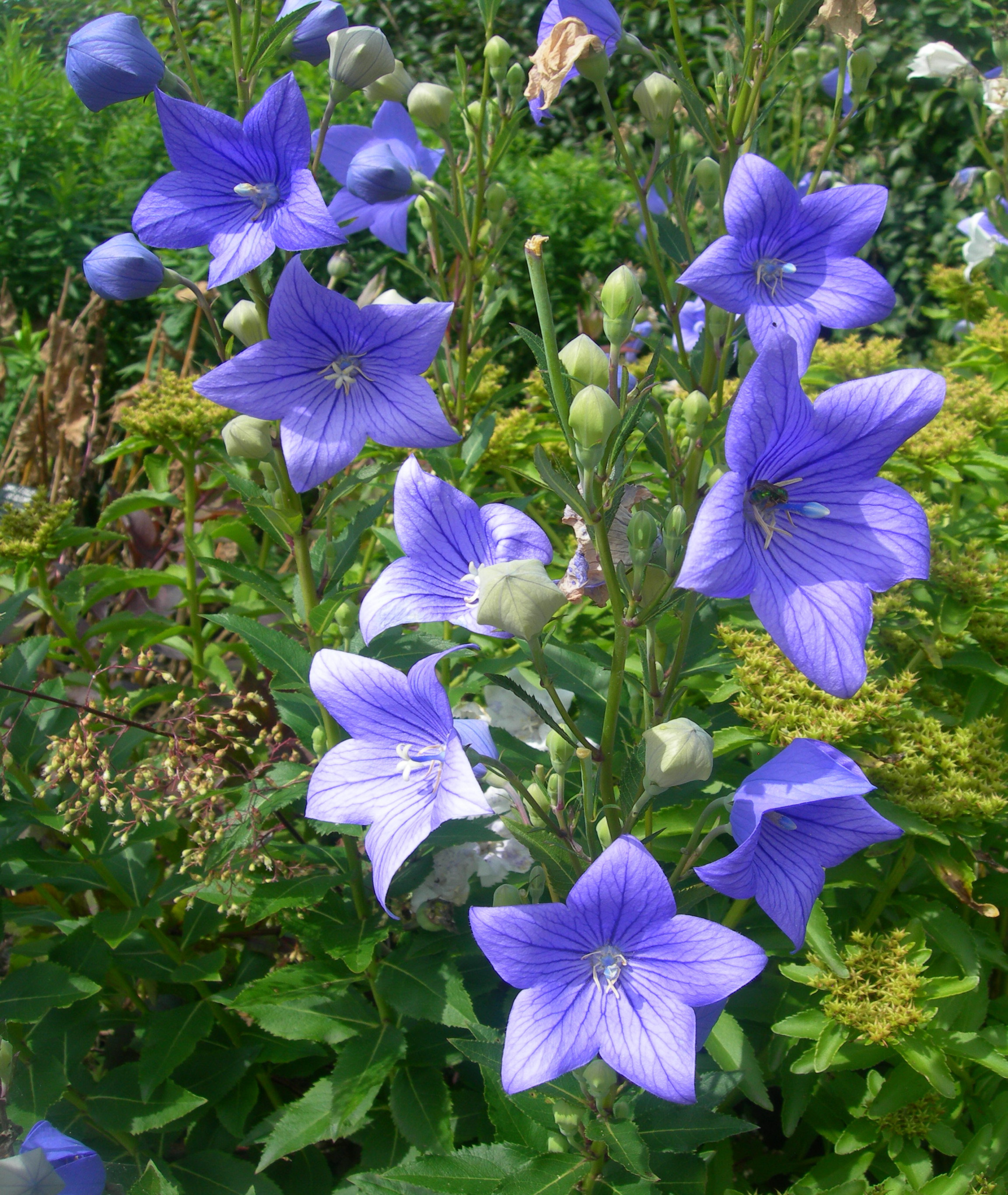
When it comes to adding a touch of whimsy and charm to your garden, few flowers can compete with the enchanting beauty of Platycodon grandiflorus, also known as the balloon flower. This unique and delicate flower gets its name from the way its petals start off as closed, balloon-like buds before bursting open to reveal stunning star-shaped blooms in shades of blue, pink, purple, and white.
The balloon flower is native to East Asia, where it has long been prized for its beauty and symbolism. In Korean culture, it is known as Doraji and is often associated with purity and everlasting love. In Japan, it is called Kikyo and is a symbol of unchanging love and honesty. With such rich cultural significance, it’s no wonder that the balloon flower has captured the hearts of gardeners all over the world.
One of the reasons why balloon flowers are so beloved is their versatility. These hardy perennials can thrive in a variety of conditions, making them a great choice for both experienced gardeners and beginners alike. They prefer full sun to partial shade and well-drained soil, but they can adapt to less-than-ideal growing conditions with a little extra care.
To grow balloon flowers, start by choosing a sunny spot in your garden with well-drained soil. Plant them in the spring after the danger of frost has passed, spacing them about 12 inches apart to allow room for them to spread. Water them regularly, especially during dry spells, but be careful not to overwater, as this can cause the roots to rot.
Balloon flowers are relatively low-maintenance plants, but they do benefit from a few simple care practices. Deadhead spent blooms to encourage new growth and prevent self-seeding, and divide overcrowded plants every couple of years to promote healthy growth. In the fall, cut back the foliage to the ground to allow the plant to go dormant for the winter.
One of the most magical things about balloon flowers is the way they attract pollinators to your garden. Bees, butterflies, and hummingbirds are all drawn to the nectar-rich blooms, helping to create a vibrant and biodiverse ecosystem in your backyard. Watching these beautiful creatures flit from flower to flower is sure to bring a smile to your face and a sense of wonder to your heart.
In addition to their beauty and symbolism, balloon flowers also have a number of practical uses. In traditional Chinese medicine, the roots of the balloon flower are used to make a tea that is believed to have anti-inflammatory and immune-boosting properties. The young shoots and leaves are also edible and can be added to salads or stir-fries for a unique and nutritious twist.
Whether you’re looking to add a pop of color to your garden, attract pollinators, or simply enjoy the beauty and symbolism of this enchanting flower, the balloon flower is sure to delight and inspire. With a little care and attention, you can enjoy the stunning beauty of Platycodon grandiflorus for years to come, creating a magical and enchanting oasis in your own backyard.
Cultivating Your Own Colorful Garden Delights
There is something truly magical about cultivating your own garden filled with colorful delights. Whether you are an experienced gardener or just starting out, there is a sense of pride and joy that comes from watching your plants grow and flourish. One of the most charming and enchanting flowers to include in your garden is the Platycodon grandiflorus, commonly known as the balloon flower.
The balloon flower gets its name from the way its petals form a balloon-like shape before opening up into a beautiful star-shaped bloom. These flowers come in a variety of colors, including blue, white, and pink, adding a vibrant pop of color to any garden. Not only are they visually stunning, but they are also relatively low maintenance, making them a perfect choice for gardeners of all levels.
When it comes to growing and caring for balloon flowers, there are a few key things to keep in mind. First and foremost, these flowers thrive in well-drained soil and full sunlight. Be sure to choose a sunny spot in your garden to plant your balloon flowers and make sure the soil is rich and well-drained to promote healthy growth.
Balloon flowers are also relatively drought-tolerant once established, making them a great choice for gardens that may not receive regular watering. However, they do benefit from a deep watering once a week during hot, dry periods to keep them healthy and blooming.
In terms of planting, balloon flowers can be grown from seeds or transplanted from nursery-bought plants. If starting from seeds, be sure to sow them in the spring after the last frost, as they prefer warmer temperatures to germinate. If transplanting, be sure to space your plants at least 12 inches apart to allow for proper air circulation and prevent overcrowding.
Once your balloon flowers are established, caring for them is relatively simple. Deadheading spent blooms will help promote continuous blooming throughout the season, while a light layer of mulch around the base of the plants will help retain moisture and suppress weeds.
One of the most delightful aspects of growing balloon flowers is watching them bloom. The balloon-like buds slowly unfurl into delicate star-shaped flowers, creating a stunning display of color and beauty in your garden. Whether you choose a single color or a mix of hues, the sight of these flowers in full bloom is sure to bring a smile to your face.
In addition to their beauty, balloon flowers also attract pollinators such as bees and butterflies to your garden, helping to promote a healthy ecosystem. Their nectar-rich blooms provide a valuable food source for these beneficial insects, making them a welcome addition to any garden.
Whether you are looking to add a touch of whimsy to your garden or simply enjoy the beauty of nature, growing and caring for balloon flowers is a rewarding experience. With their stunning colors, easy maintenance, and ability to attract pollinators, these delightful flowers are sure to bring joy and beauty to your outdoor space. So roll up your sleeves, grab your gardening tools, and get ready to cultivate your own colorful garden delights with the enchanting Platycodon grandiflorus.