Tiny Treasures: Japanese Maple Bonsai Beauties
When it comes to the world of bonsai, there is one variety that stands out above the rest – the Japanese Maple bonsai. These miniature masterpieces are a true testament to the beauty and artistry that can be achieved through the ancient practice of bonsai cultivation.
Japanese Maple trees, also known as Acer palmatum, are prized for their delicate leaves and vibrant colors. When carefully cultivated and pruned into bonsai form, these trees become living works of art that capture the essence of nature in a small and exquisite package.
The process of creating a Japanese Maple bonsai begins with selecting a young tree with a strong trunk and pleasing shape. Through meticulous pruning and wiring, the tree is shaped into the desired form, whether it be a cascading style or an upright form. The branches are carefully trained to grow in a specific direction, creating a sense of movement and balance in the overall design.
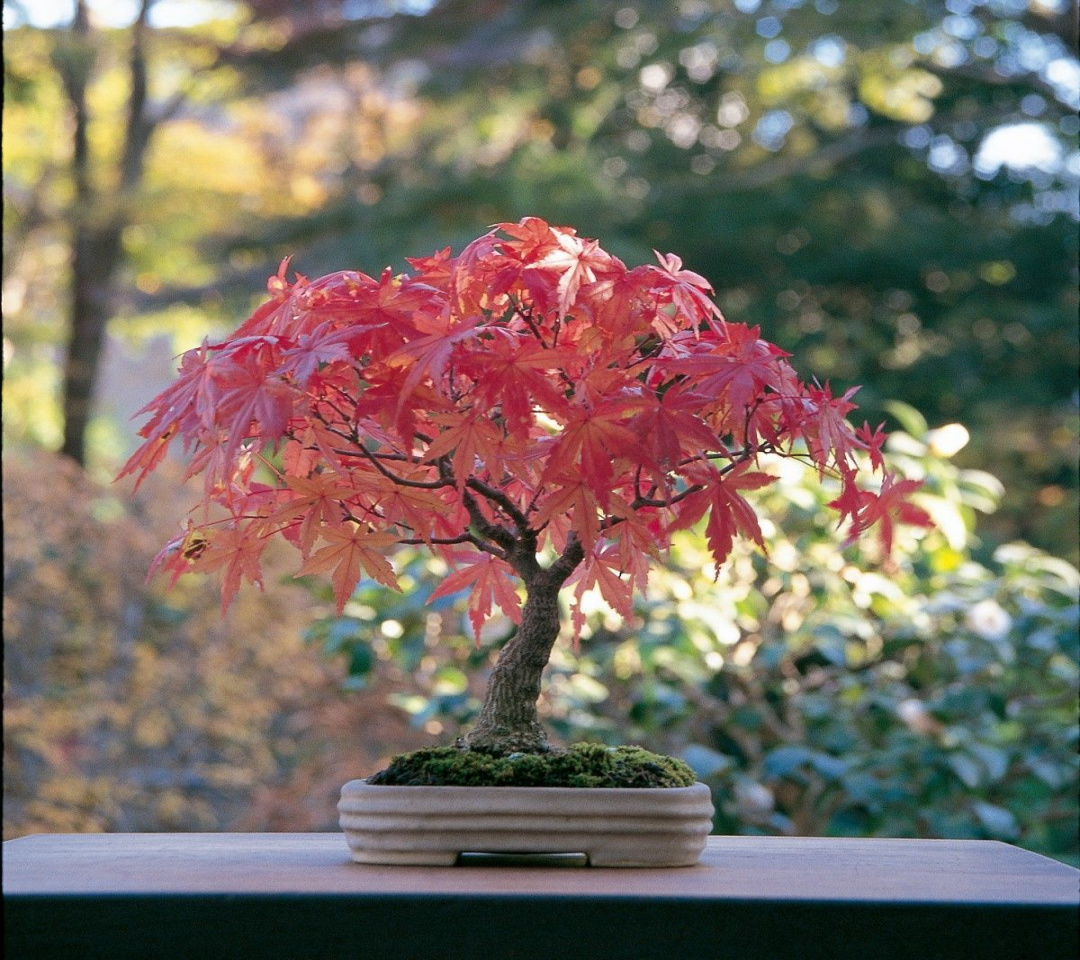
One of the most striking features of a Japanese Maple bonsai is its foliage. The leaves of the tree are small and delicate, with a range of colors that shift and change with the seasons. In the spring, the leaves emerge in shades of bright green and red, creating a vivid display of color. As the seasons change, the leaves transition to deeper reds and oranges, culminating in a blaze of fiery hues in the fall. This ever-changing palette of colors adds a dynamic element to the bonsai, ensuring that it remains visually captivating year-round.
In addition to their stunning foliage, Japanese Maple bonsai trees also possess a unique texture and structure that make them truly stand out. The delicate branches and intricate branching patterns create a sense of age and history, as if the tree has been carefully tended for generations. This sense of timelessness adds a layer of depth to the bonsai, making it a truly captivating piece of art.
Beyond their aesthetic appeal, Japanese Maple bonsai trees also hold a special significance in Japanese culture. In Japan, the art of bonsai is deeply rooted in tradition and symbolism, with each tree representing a connection to nature and the passage of time. Japanese Maple bonsai trees, in particular, are seen as symbols of peace, harmony, and balance, making them a popular choice for bonsai enthusiasts around the world.
Whether displayed on a tabletop or in a traditional bonsai display, Japanese Maple bonsai trees have a way of capturing the imagination and inspiring a sense of wonder. Their miniature size and intricate beauty make them a true treasure to behold, a reminder of the natural world in all its splendor.
In conclusion, Japanese Maple bonsai trees are a true testament to the beauty and artistry that can be achieved through the ancient practice of bonsai cultivation. Their delicate leaves, vibrant colors, and intricate structure make them miniature masterpieces that captivate the imagination and inspire a sense of wonder. For anyone looking to bring a touch of nature into their home or garden, a Japanese Maple bonsai is the perfect choice – a tiny treasure that will bring joy and beauty for years to come.
Crafting Miniature Masterpieces: The Art of Bonsai
When it comes to the world of gardening and horticulture, few things are as captivating and enchanting as the art of bonsai. Originating in Japan, bonsai is the practice of cultivating and nurturing small trees in containers, creating miniature landscapes that are truly works of art. One of the most beloved and iconic trees used in bonsai is the Japanese Maple, known for its delicate foliage and striking colors.
The beauty of Japanese Maple bonsai lies in its ability to capture the essence of a full-sized tree in a tiny, compact form. The art of bonsai requires patience, skill, and a deep understanding of horticulture, as each tree is carefully shaped and pruned to create a harmonious and balanced composition. Creating a Japanese Maple bonsai is a labor of love, requiring careful attention to detail and a keen eye for design.
One of the key elements of bonsai is the concept of shaping the tree, which involves carefully pruning and training the branches to create a desired form. With Japanese Maple bonsai, this process is particularly important, as the delicate leaves and branches of the tree require precision and finesse. By carefully shaping the tree over time, bonsai enthusiasts can create stunning miniature replicas of full-sized Japanese Maple trees, complete with their signature red and orange leaves.
In addition to shaping, another important aspect of Japanese Maple bonsai is the art of potting. The container in which a bonsai tree is planted plays a crucial role in the overall design and aesthetic of the tree. When it comes to Japanese Maple bonsai, choosing the right pot is essential, as it must complement the tree’s natural beauty and enhance its overall presentation. From traditional ceramic pots to more modern designs, the potting of a Japanese Maple bonsai is an art form in itself.
Another key element of Japanese Maple bonsai is the seasonal care and maintenance of the tree. Like all bonsai trees, Japanese Maple bonsai require specific care depending on the time of year. In the spring, the tree may need to be repotted or fertilized, while in the summer, regular watering and pruning are essential to keep the tree healthy and vibrant. In the fall, the tree’s leaves will turn brilliant shades of red and orange, creating a stunning display of color that is truly breathtaking.
One of the most rewarding aspects of growing Japanese Maple bonsai is the ability to watch the tree change and evolve over time. As the tree grows and matures, its branches will thicken, its leaves will become more vibrant, and its overall appearance will become more refined. Watching a Japanese Maple bonsai transform into a miniature masterpiece is a truly magical experience, one that brings joy and fulfillment to bonsai enthusiasts around the world.
In conclusion, the art of bonsai is a time-honored tradition that has captivated gardeners and nature lovers for centuries. And when it comes to creating miniature masterpieces, there is no tree more beloved or iconic than the Japanese Maple. With its delicate foliage, striking colors, and graceful form, the Japanese Maple bonsai is a true work of art, a miniature masterpiece that captures the beauty and essence of nature in a small, compact form. So if you have a passion for gardening and a love for beauty, why not try your hand at crafting your own Japanese Maple bonsai? It’s a rewarding and fulfilling pursuit that will bring years of joy and wonder to your life.