Delving into the Mango Plant’s Splendid Universe
Mango, the king of fruits, is not only a delicious tropical treat but also a plant with a rich history and a multitude of benefits. From its luscious fruit to its versatile leaves, every part of the mango plant is filled with beauty and goodness waiting to be explored.
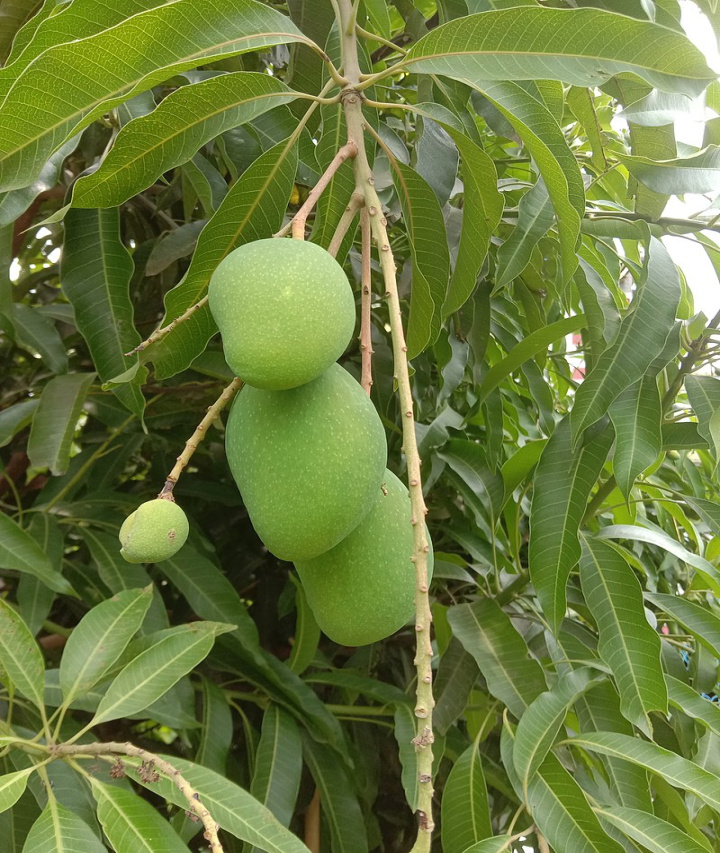
The mango plant, scientifically known as Mangifera indica, is native to South Asia but is now grown in various tropical regions around the world. Its fruit is a popular choice for its sweet and juicy flesh, which comes in a variety of colors and flavors depending on the cultivar. The mango tree itself is a sight to behold, with its tall stature and dense canopy of dark green leaves that provide shade and beauty to the landscape.
But the mango plant offers more than just its delicious fruit. Its leaves have been used for centuries in traditional medicine for their healing properties. They are known to have anti-inflammatory and antioxidant effects, making them a popular ingredient in herbal teas and skincare products. Mango leaves are also believed to help regulate blood sugar levels and improve digestion, making them a valuable addition to a healthy lifestyle.
In addition to its culinary and medicinal uses, the mango plant plays a significant role in the ecosystem. Its flowers attract pollinators like bees and butterflies, helping to support biodiversity in the area where it grows. The fruit is also a favorite food source for birds and other wildlife, contributing to the overall health of the ecosystem.
Cultivating mango plants can also have economic benefits for farmers and communities. Mangoes are a high-value crop that can be sold fresh or processed into products like juice, jam, and dried fruit. By growing mango trees, farmers can create a sustainable source of income and contribute to the local economy.
The beauty of the mango plant goes beyond its physical appearance and practical uses. It is a symbol of abundance and prosperity in many cultures, often associated with good luck and blessings. In India, mango leaves are used in religious ceremonies and festivals as a symbol of renewal and purification.
Exploring the beauty and benefits of the mango plant is a journey that goes beyond just enjoying its delicious fruit. It is a way to connect with nature, appreciate its gifts, and learn about the intricate relationships that exist within the natural world. Whether you are admiring a mango tree in full bloom or savoring a ripe mango on a hot summer day, the mango plant is sure to bring joy and wonder to your life.
Unveiling the Wonders of the Magnificent Mango
The mango plant, with its luscious fruit and vibrant leaves, is truly a wonder of nature. This tropical plant not only delights our taste buds with its sweet and juicy mangoes but also offers a plethora of benefits for our health and well-being. Let’s dive into the beauty and benefits of the magnificent mango plant.
First and foremost, the mango plant is a sight to behold. With its tall and graceful tree adorned with green leaves and colorful fruits, it adds a touch of tropical paradise to any landscape. The mango tree can grow up to 100 feet tall, creating a majestic canopy that provides shade and shelter for various creatures. The leaves of the mango plant are also a sight to behold, with their glossy green surface and distinctive shape. They not only add to the beauty of the tree but also play a vital role in photosynthesis, converting sunlight into energy for the plant.
But the true star of the mango plant is, of course, its fruit. Mangoes are not only delicious but also packed with nutrients that are beneficial for our health. Rich in vitamins A and C, mangoes help boost our immune system and promote healthy skin. They are also a good source of dietary fiber, which aids in digestion and helps maintain a healthy weight. Additionally, mangoes contain antioxidants such as quercetin, isoquercitrin, astragalin, and fisetin, which help protect our cells from damage caused by free radicals.
In addition to its nutritional benefits, the mango plant also offers a range of medicinal properties. In traditional medicine, various parts of the mango plant, including the leaves, bark, and fruit, are used to treat a variety of ailments. Mango leaves, in particular, are known for their therapeutic properties. They are believed to help lower blood sugar levels, reduce inflammation, and improve overall cardiovascular health. Mango bark, on the other hand, is used to treat diarrhea, dysentery, and other gastrointestinal issues.
Furthermore, the mango plant is not just beneficial for our health but also for the environment. Mango trees are known for their ability to sequester carbon dioxide from the atmosphere and help mitigate climate change. They also provide habitat and food for a wide variety of wildlife, including birds, insects, and small mammals. By planting mango trees, we can help preserve biodiversity and create a more sustainable ecosystem.
Another remarkable aspect of the mango plant is its versatility. Not only do we enjoy the fruit fresh off the tree, but we can also use it in a variety of culinary creations. Mangoes can be used to make smoothies, salads, salsas, and desserts, adding a tropical flair to any dish. In addition, mangoes can be dried, canned, or turned into jams and chutneys, ensuring that we can enjoy their delicious flavor year-round.
In conclusion, the mango plant is a true marvel of nature, offering beauty, nutrition, medicine, and sustainability in one glorious package. By exploring the wonders of the magnificent mango, we can appreciate all that this tropical plant has to offer and enjoy its many benefits for our health and well-being. So next time you bite into a juicy mango, remember the beauty and benefits of the plant that produced it.