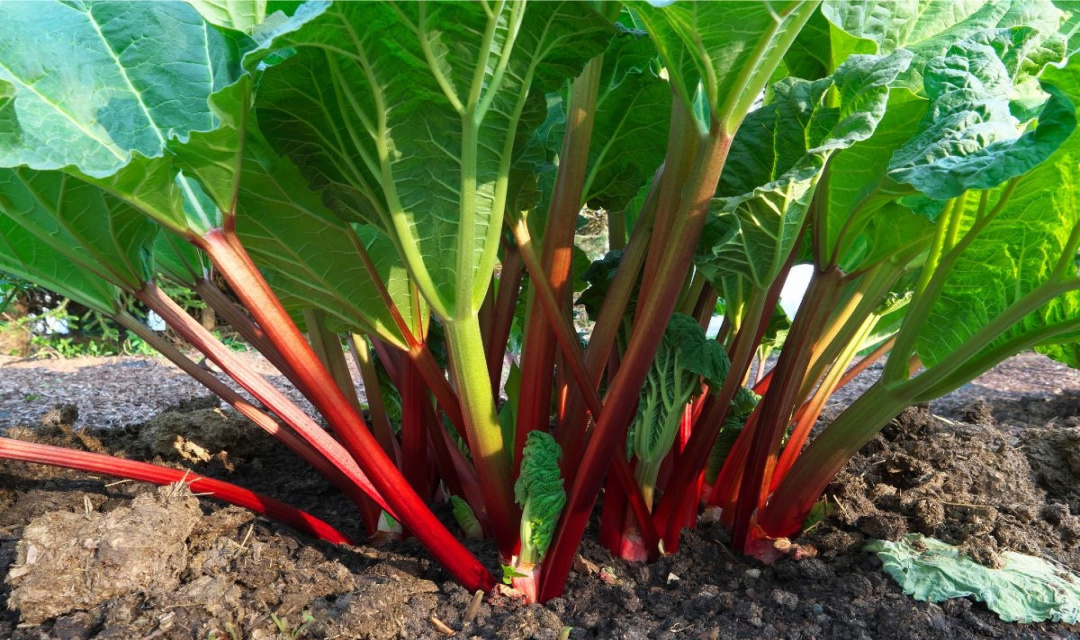
Rhubarb: The Springtime Superstar
Rhubarb, with its vibrant red stalks and tart flavor, is a true superstar of the spring garden. This versatile plant is not only a favorite for pie fillings and jams, but it also adds a unique twist to savory dishes and drinks. Let’s explore the many ways rhubarb shines in the garden and on the table.
Rhubarb is a perennial plant that thrives in cooler climates, making it a perfect addition to the spring garden. Its large, fan-like leaves and bright red or green stalks add a pop of color to any garden bed. Rhubarb is relatively easy to grow, requiring a sunny spot with well-drained soil. Once established, rhubarb plants can produce stalks for up to 15 years, making them a long-lasting and reliable addition to any garden.
In the spring, rhubarb plants burst to life, sending up new stalks that can be harvested for culinary use. The stalks are the edible part of the plant, while the leaves are toxic and should not be consumed. When harvesting rhubarb, simply grip the stalk near the base and gently pull upwards to remove it from the plant. Be sure to leave a few stalks on the plant to allow it to continue growing and thriving.
Rhubarb’s tart flavor makes it a perfect ingredient for both sweet and savory dishes. In the kitchen, rhubarb can be used to make pies, crisps, jams, and compotes. Its natural tartness pairs well with sweet fruits like strawberries and apples, creating a delicious contrast of flavors. Rhubarb can also be cooked down into a tangy sauce or syrup to drizzle over pancakes or ice cream. For those looking to experiment, rhubarb can be pickled or fermented to create unique condiments and preserves.
Beyond the dessert table, rhubarb can also be used in savory dishes to add a tangy kick. Its acidity makes it a great addition to sauces, marinades, and dressings. Rhubarb can be roasted, grilled, or sautéed to bring out its natural flavors and soften its texture. Pairing rhubarb with savory ingredients like pork, chicken, or fish creates a delicious and unexpected combination that will wow your taste buds.
Rhubarb is also a versatile ingredient in drinks, adding a bright and refreshing flavor to cocktails, mocktails, and homemade sodas. Rhubarb syrup can be mixed with sparkling water for a refreshing beverage, or added to gin or vodka for a unique twist on classic cocktails. Rhubarb can also be juiced or blended into smoothies for a healthy and flavorful boost.
In addition to its culinary uses, rhubarb is also a nutritional powerhouse. It is low in calories and fat, but high in fiber, vitamin K, and antioxidants. Rhubarb has been used for centuries in traditional medicine to aid digestion, promote heart health, and reduce inflammation. Its high fiber content can help regulate blood sugar levels and promote a healthy gut.
Overall, rhubarb is a true springtime superstar that adds color, flavor, and nutrition to the garden and the table. Whether you enjoy it in a classic pie, a tangy sauce, or a refreshing drink, rhubarb is sure to delight your taste buds and brighten up your spring meals. So plant some rhubarb in your garden this spring and get ready to experience the versatile and delicious joys of this amazing plant.
From Garden to Table: Ways to Enjoy Rhubarb
As the weather begins to warm and the sun starts to shine, gardeners eagerly anticipate the arrival of springtime. And one of the first plants to make its appearance in the garden is the versatile rhubarb plant. Known for its vibrant red stalks and tart flavor, rhubarb is a staple of the spring garden and a favorite among home cooks and bakers alike.
Rhubarb is a perennial plant that thrives in cooler climates and is typically harvested in the spring and early summer. It is easy to grow in the garden, requiring minimal care and attention. Once established, rhubarb plants can produce a bountiful harvest year after year, making them a reliable and sustainable addition to any garden.
One of the best things about growing rhubarb is the many delicious ways you can enjoy it once it’s ready to harvest. From sweet desserts to savory dishes, there are endless possibilities for incorporating rhubarb into your cooking. Here are some creative and mouthwatering ways to enjoy this springtime superstar:
Rhubarb Pie: Perhaps the most classic way to enjoy rhubarb is in a delicious, flaky pie. The tartness of the rhubarb pairs perfectly with a sweet, buttery crust, creating a perfect balance of flavors. Whether topped with a lattice crust or a crumbly streusel topping, rhubarb pie is sure to be a hit at any springtime gathering.
Rhubarb Crisp: For a simpler, more rustic dessert, try making a rhubarb crisp. A buttery oat topping adds a delicious crunch to the tender rhubarb filling, creating a dessert that is both comforting and satisfying. Serve warm with a scoop of vanilla ice cream for the perfect springtime treat.
Rhubarb Jam: Turn your rhubarb harvest into a sweet and tangy jam that can be enjoyed all year round. Rhubarb jam is delicious spread on toast or biscuits, or mixed into yogurt or oatmeal for a flavorful breakfast treat. It also makes a thoughtful homemade gift for friends and family.
Rhubarb Chutney: For a savory twist on rhubarb, try making a rhubarb chutney. This tangy condiment is the perfect accompaniment to grilled chicken or pork, or served alongside a cheese platter. The combination of rhubarb, spices, and vinegar creates a complex and delicious flavor profile that will wow your taste buds.
Rhubarb Lemonade: Beat the heat with a refreshing glass of rhubarb lemonade. The tartness of the rhubarb pairs perfectly with the brightness of fresh lemon juice, creating a thirst-quenching drink that is perfect for a hot day. Add some fresh mint or a splash of ginger for an extra burst of flavor.
Rhubarb Salad: Incorporate rhubarb into your salads for a unique twist on a classic dish. Roasted rhubarb adds a tangy sweetness to leafy greens, while raw rhubarb adds a crunchy texture and bright flavor. Toss with a light vinaigrette dressing for a refreshing and colorful springtime salad.
From garden to table, rhubarb is a versatile and delicious ingredient that can be enjoyed in a variety of ways. Whether you prefer sweet or savory dishes, there is a recipe for everyone to enjoy the vibrant flavor of this springtime superstar. So plant some rhubarb in your garden this spring and get ready to savor the bounty of this versatile plant.