Unveiling the Mysteries of Saffron
Saffron, the golden spice, has been revered for centuries for its vibrant color, unique flavor, and powerful medicinal properties. This exotic spice is derived from the delicate threads of the Crocus sativus flower, a plant that thrives in Mediterranean climates. Let’s dive into the world of saffron and unravel its mysteries.
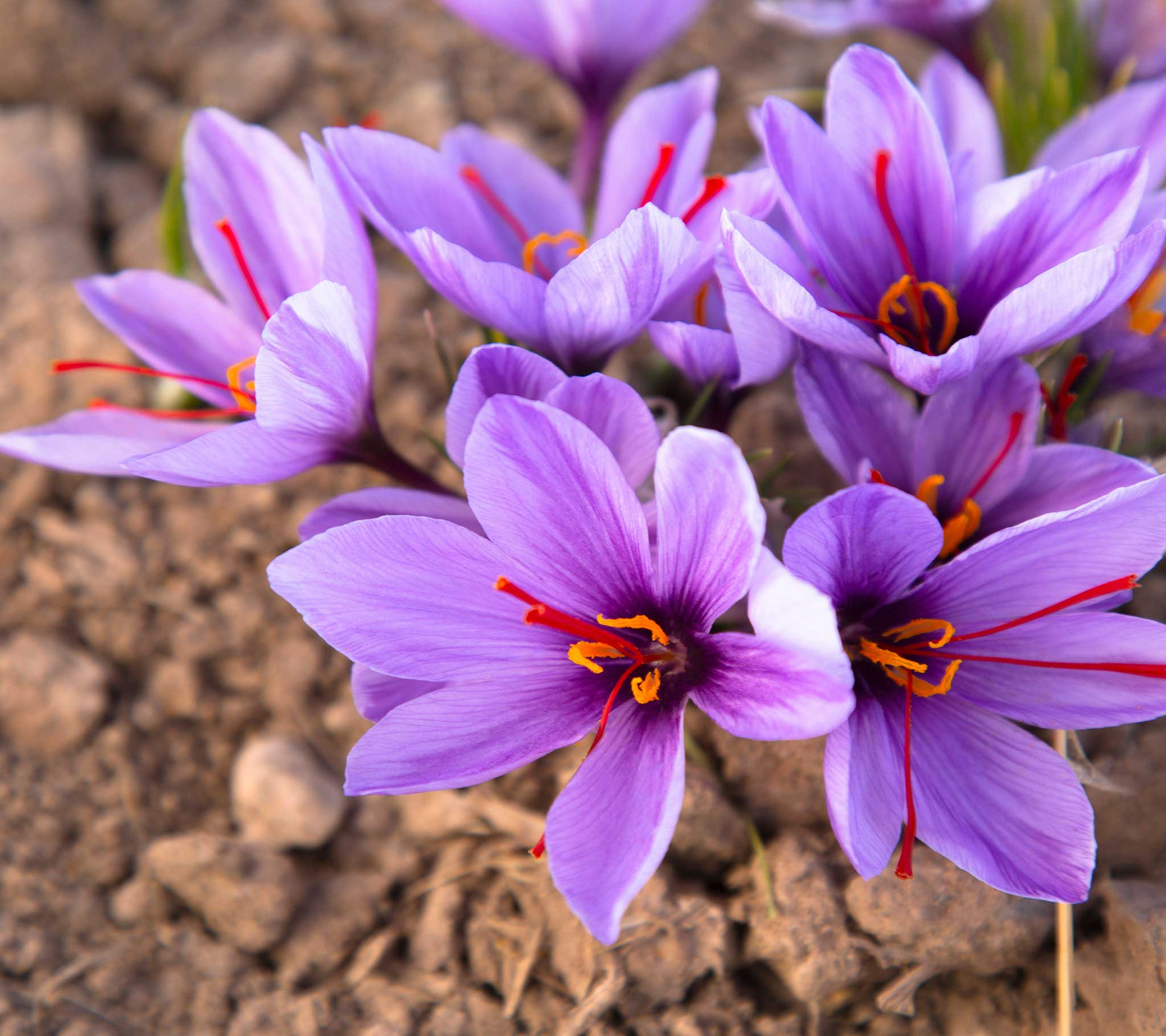
The saffron plant, also known as the saffron crocus, produces beautiful purple flowers with crimson stigmas that are carefully handpicked and dried to create the spice we all know and love. Each saffron flower yields only three stigmas, which are painstakingly harvested by skilled workers. It takes thousands of flowers to produce just one pound of saffron, making it one of the most expensive spices in the world.
The history of saffron dates back to ancient times, where it was used by the Egyptians, Greeks, and Romans for its culinary and medicinal properties. Cleopatra was said to bathe in saffron-infused water for its beautifying effects, while the ancient Greeks used it in their traditional medicine to treat a variety of ailments.
In medieval Europe, saffron became a symbol of wealth and luxury, with only the nobility being able to afford such a precious spice. It was used to flavor dishes, color textiles, and even as a form of currency in some regions. The spice trade routes of the Middle Ages were dominated by merchants seeking to acquire saffron from the East, where it was grown in abundance.
Today, saffron is still highly prized for its distinctive flavor and vibrant color, which can transform any dish into a culinary masterpiece. Its flavor is often described as floral, honey-like, and slightly bitter, with a subtle earthiness that lingers on the palate. Saffron is used in a variety of sweet and savory dishes, from paella and risotto to desserts like saffron-infused ice cream and cakes.
Aside from its culinary uses, saffron is also valued for its medicinal properties. It is rich in antioxidants, which help protect the body from oxidative stress and inflammation. Saffron has been used in traditional medicine to treat a range of conditions, from depression and anxiety to digestive issues and menstrual cramps. Recent studies have also shown that saffron may have potential anti-cancer properties, making it a valuable addition to a healthy diet.
The cultivation of saffron is a labor-intensive process that requires careful attention to detail and a deep understanding of the plant’s needs. The crocus sativus flower blooms for only a few weeks each year, during which time the stigmas must be handpicked at just the right moment to ensure the highest quality saffron. The flowers are delicate and must be handled with care to prevent damage to the precious threads within.
In regions where saffron is grown, such as Iran, Spain, and India, the spice plays a vital role in the local economy and cultural traditions. Saffron festivals are held to celebrate the harvest, with farmers and artisans showcasing their skills in cultivating and processing the spice. The vibrant colors and intoxicating aroma of saffron fill the air, creating a sensory experience like no other.
As we delve deeper into the world of saffron, we begin to understand the allure of this golden spice and why it has captivated the hearts and minds of people around the world for centuries. From its rich history to its culinary and medicinal uses, saffron continues to be a symbol of luxury, flavor, and health. So the next time you sprinkle a pinch of saffron into your dish, take a moment to appreciate the magic and mystery of this precious spice.
Dive into the World of Golden Spice
Welcome to the wonderful world of saffron, the golden spice that has captured the hearts and taste buds of people all around the globe. This exquisite spice, known for its vibrant color and unique flavor, is derived from the saffron crocus plant, scientifically known as Crocus sativus. Let’s take a closer look at this fascinating plant and discover the secrets behind its allure.
The saffron crocus is a perennial plant that belongs to the iris family. It is native to Southwest Asia, particularly Iran, where the majority of the world’s saffron production takes place. The plant grows to a height of about 20-30 cm and produces stunning purple flowers with three bright red stigmas, which are the part of the plant that is harvested to make saffron.
Harvesting saffron is a labor-intensive process that requires a delicate touch and a keen eye. The stigmas of the flowers must be carefully hand-picked early in the morning when they are still closed to ensure maximum flavor and aroma. It takes thousands of flowers to produce just a small amount of saffron, which explains why this spice is so highly prized and expensive.
Once the stigmas are harvested, they are dried to preserve their flavor and color. This drying process is crucial to the quality of the saffron, as improper drying can result in a loss of flavor and aroma. The dried stigmas are then packaged and ready to be used in a variety of culinary dishes, from paella and risotto to desserts and beverages.
Saffron is not only known for its distinctive flavor and vibrant color, but also for its numerous health benefits. This golden spice is rich in antioxidants, which help to protect the body from oxidative stress and inflammation. It is also believed to have anti-cancer properties and can aid in digestion and improve mood. Additionally, saffron has been used for centuries in traditional medicine to treat a variety of ailments, from depression and anxiety to asthma and menstrual cramps.
In addition to its culinary and medicinal uses, saffron has a long history of being used in various cultural and religious ceremonies. In ancient times, saffron was considered a symbol of wealth and prestige, and it was often used in religious rituals and offerings. Today, saffron continues to hold a special place in many cultures around the world, where it is used to celebrate special occasions and festivals.
The demand for saffron continues to grow, as more people discover the unique flavor and aroma that this golden spice has to offer. However, the cultivation of saffron is a delicate process that requires careful attention to detail and a deep understanding of the plant’s needs. As a result, saffron is often referred to as the king of spices or the golden spice, reflecting its status as one of the most valuable and sought-after spices in the world.
So, the next time you come across a dish that contains saffron, take a moment to appreciate the history and craftsmanship that goes into producing this exquisite spice. Whether you are enjoying a delicious paella or sipping on a cup of saffron-infused tea, you are sure to be captivated by the rich flavor and vibrant color of this golden spice. Dive into the world of saffron and experience the magic for yourself.