Meet the Marvelous Marguerite Daisy!
In the world of gardening, the Marguerite Daisy stands out as a truly marvelous and stunning plant to grow. With its vibrant colors and delicate petals, this flower brings a touch of elegance and beauty to any garden or landscape. In this guide, we will take a closer look at the Marguerite Daisy and provide you with all the information you need to successfully grow and care for this delightful plant.
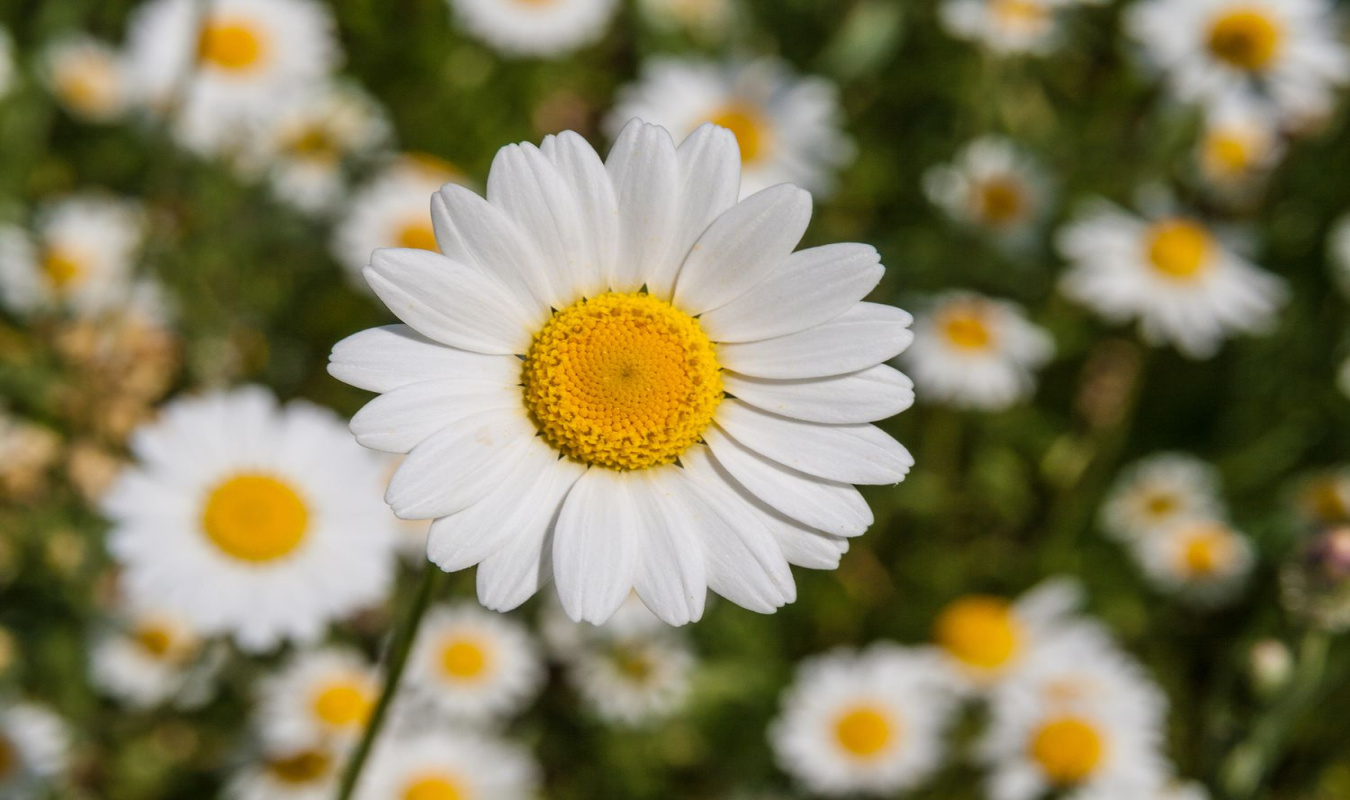
The Marguerite Daisy, also known as Argyranthemum frutescens, is a member of the daisy family Asteraceae. Native to the Canary Islands, this plant is beloved for its dainty, daisy-like flowers that come in a range of colors including white, pink, and yellow. The Marguerite Daisy is a perennial plant, meaning it will come back year after year, bringing joy and beauty to your garden season after season.
One of the reasons why the Marguerite Daisy is such a popular choice among gardeners is its ease of care. This plant thrives in full sun and well-drained soil, making it a great choice for gardeners of all skill levels. To plant Marguerite Daisies, simply choose a sunny spot in your garden, dig a hole slightly larger than the root ball, and place the plant in the hole. Water thoroughly after planting and watch as your Marguerite Daisy begins to flourish.
In terms of maintenance, the Marguerite Daisy is a relatively low-maintenance plant. Regular watering is important, especially during hot, dry periods. However, be sure not to overwater as this can lead to root rot. Deadheading, or removing spent flowers, will help encourage new growth and prolong the blooming period of your Marguerite Daisy. Additionally, a light fertilization in the spring can help promote healthy growth and abundant blooms.
One of the most appealing features of the Marguerite Daisy is its long blooming period. From late spring to early fall, this plant will produce a profusion of blooms, adding a splash of color to your garden for months on end. Whether planted in containers, hanging baskets, or flower beds, the Marguerite Daisy is sure to make a statement with its cheerful and vibrant flowers.
Another benefit of growing Marguerite Daisies is their versatility in the garden. These plants work well as border plants, ground cover, or even as a focal point in a mixed flower bed. With their compact growth habit and tidy appearance, Marguerite Daisies are a great choice for adding structure and visual interest to your garden design.
In addition to their beauty and ease of care, Marguerite Daisies also attract pollinators such as bees and butterflies, making them a valuable addition to any pollinator garden. By planting Marguerite Daisies, you can help support these important pollinators and promote biodiversity in your garden.
In conclusion, the Marguerite Daisy is a truly marvelous plant to grow in your garden. With its vibrant colors, long blooming period, and ease of care, this plant is sure to bring joy and beauty to your outdoor space. Whether you are a seasoned gardener or a novice, the Marguerite Daisy is a great choice for adding a touch of charm and elegance to your landscape. So why wait? Add some Marguerite Daisies to your garden today and enjoy the beauty and benefits that this stunning plant has to offer.
Cultivating Joy: Your Guide to Marguerite Daisy Care
Marvelous Marguerite Daisy, also known as Argyranthemum frutescens, is a stunning plant that can bring a pop of color and joy to any garden. With its delicate, daisy-like flowers and vibrant hues of white, pink, and yellow, Marguerite Daisy is a beloved choice for many gardeners looking to add a touch of beauty to their outdoor spaces.
But how do you ensure that your Marguerite Daisy thrives and continues to bloom beautifully year after year? With the right care and attention, you can enjoy the beauty of this lovely plant for seasons to come. Here is your guide to cultivating joy with Marguerite Daisy care.
One of the most important factors in caring for Marguerite Daisy is choosing the right location for your plant. Marguerite Daisy thrives in full sun, so be sure to plant it in an area of your garden that receives at least 6-8 hours of sunlight per day. Additionally, make sure the soil is well-drained to prevent waterlogging, as Marguerite Daisy does not like to sit in water.
While Marguerite Daisy is a relatively low-maintenance plant, it does require consistent watering to thrive. Water your Marguerite Daisy regularly, especially during hot, dry periods. However, be sure not to overwater, as this can lead to root rot. Additionally, feed your Marguerite Daisy with a balanced fertilizer every few weeks during the growing season to promote healthy growth and blooming.
To encourage continuous blooming and maintain the shape of your Marguerite Daisy, it is important to prune and deadhead regularly. Deadheading, or removing spent flowers, will encourage the plant to produce new blooms. Additionally, pruning back any leggy or overgrown growth will help keep your Marguerite Daisy looking tidy and healthy.
Like any plant, Marguerite Daisy is susceptible to pests and diseases. Keep an eye out for common pests such as aphids, spider mites, and whiteflies, and treat them promptly to prevent damage to your plant. Additionally, watch for signs of powdery mildew or other fungal diseases, and take appropriate measures to control them if necessary.
In cooler climates, Marguerite Daisy may not be winter hardy and will need some extra care to survive the colder months. Before the first frost, consider bringing your Marguerite Daisy indoors or covering it with a layer of mulch to protect it from freezing temperatures. Alternatively, you can treat Marguerite Daisy as an annual and replant new specimens each spring.
By following these simple tips for Marguerite Daisy care, you can enjoy the beauty of this marvelous plant in your garden year after year. With the right care and attention, your Marguerite Daisy will continue to bloom and brighten your outdoor space with its vibrant colors and delicate flowers. Happy gardening!