Dive into the Lush Jungle of Xanthosoma Plants
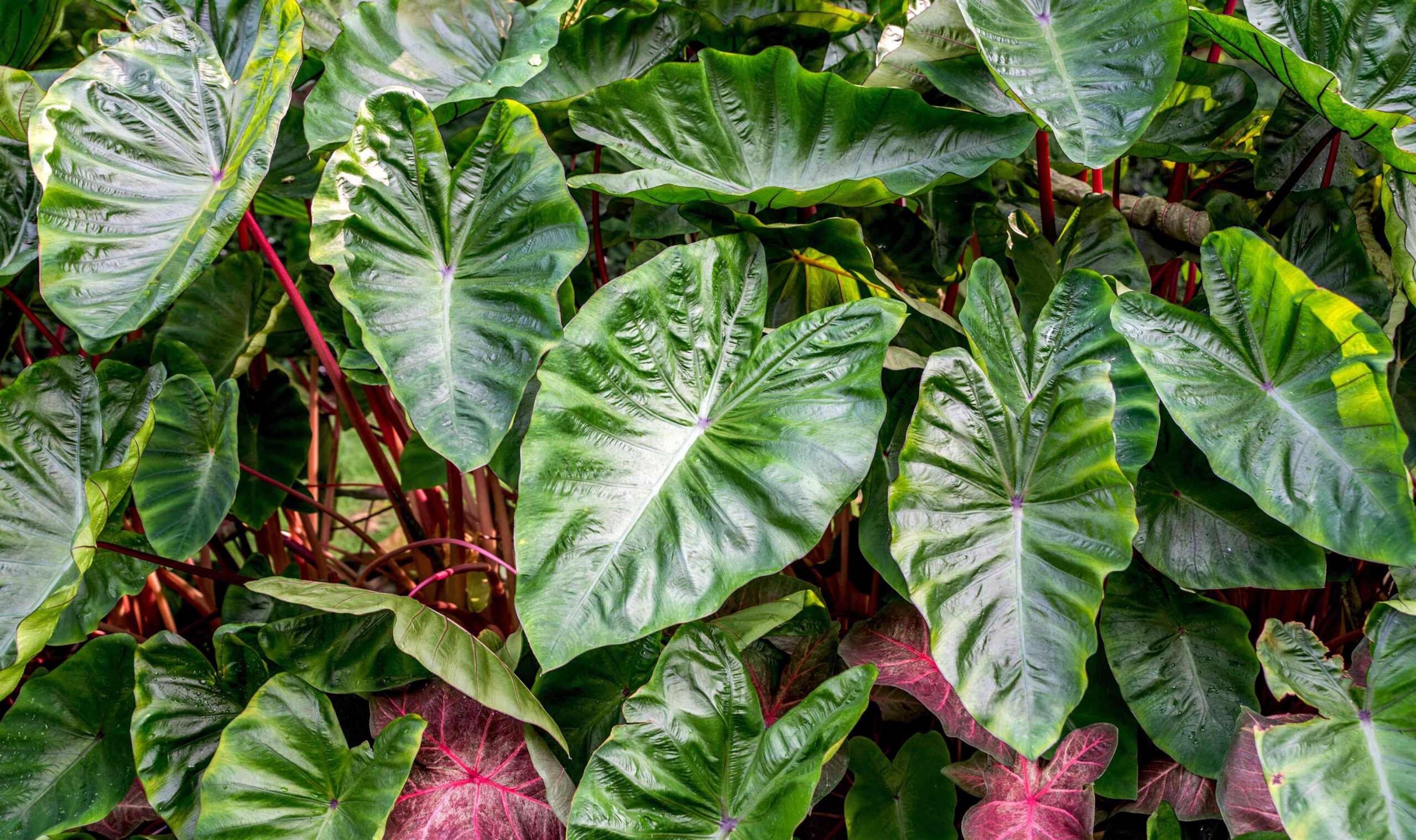
Welcome to the vibrant world of Xanthosoma plants, where lush greenery and exotic beauty collide to create a truly mesmerizing sight. These tropical plants, also known as elephant ears or taro, are native to the jungles of Central and South America, where they thrive in the warm, humid climate. With their large, heart-shaped leaves and striking colors, Xanthosoma plants are a favorite among gardeners looking to add a touch of the tropics to their landscapes.
Xanthosoma plants come in a variety of species, each with its own unique characteristics and charm. From the popular Xanthosoma sagittifolium, with its arrow-shaped leaves and striking green color, to the lesser-known Xanthosoma violaceum, with its deep purple hues and velvety texture, there is a Xanthosoma plant for every taste and style. Whether you are looking to create a lush jungle oasis in your backyard or add a pop of color to your indoor space, Xanthosoma plants are sure to impress.
One of the most fascinating aspects of Xanthosoma plants is their ability to adapt to a wide range of environments. While they thrive in tropical climates, they can also be grown in temperate regions with the right care and attention. Whether you live in a hot, sunny climate or a cooler, more temperate one, you can still enjoy the beauty of Xanthosoma plants in your garden or home.
In addition to their stunning appearance, Xanthosoma plants also offer a number of practical benefits. In tropical regions, the large leaves of Xanthosoma plants provide valuable shade and protection from the sun, making them a popular choice for landscaping and gardening. In addition, the edible roots of some Xanthosoma species, such as Xanthosoma sagittifolium, are a staple food in many cultures, providing a nutritious and versatile ingredient for a variety of dishes.
When it comes to caring for Xanthosoma plants, there are a few key things to keep in mind. First and foremost, these tropical plants thrive in warm, humid conditions, so be sure to provide them with plenty of water and a well-draining soil. In addition, Xanthosoma plants prefer partial shade to full sun, so be sure to place them in a location where they will receive the right amount of sunlight. Finally, be sure to fertilize your Xanthosoma plants regularly to encourage healthy growth and vibrant foliage.
In conclusion, diving into the lush jungle of Xanthosoma plants is a truly rewarding experience. Whether you are drawn to their striking beauty, practical benefits, or tropical charm, there is no denying the appeal of these exotic plants. So why not add a touch of the tropics to your garden or home with a Xanthosoma plant today? You won’t be disappointed.
Discover the Colorful Diversity of Xanthosoma Species
Welcome to the vibrant world of Xanthosoma plants, where a plethora of colorful and diverse species await your exploration. From the lush jungles of South America to your very own backyard, these exotic plants are sure to captivate and delight all who encounter them.
Xanthosoma plants, also known as elephant ears or taro plants, are a genus of flowering plants in the Araceae family. With over 50 different species spread across tropical and subtropical regions worldwide, each variety boasts its own unique characteristics and beauty.
One of the most striking features of Xanthosoma plants is their colorful foliage. From deep greens to vibrant purples and even shades of pink, these plants come in a wide array of colors that are sure to add a pop of brightness to any garden or indoor space. The large, heart-shaped leaves of Xanthosoma plants can grow up to several feet in size, making them a dramatic and eye-catching addition to any landscape.
One popular species of Xanthosoma is Xanthosoma sagittifolium, also known as arrowleaf elephant ear. This plant features arrow-shaped leaves that can reach up to three feet in length and come in shades of green with silver or white veining. Another beloved species is Xanthosoma robustum, which boasts large, glossy leaves in shades of dark green with a metallic sheen.
In addition to their stunning foliage, Xanthosoma plants also produce unique and intriguing flowers. Depending on the species, these flowers can range in color from white to yellow to pink and are often accompanied by a spadix, or spike, that adds an extra touch of interest to the plant’s overall appearance. The flowers of Xanthosoma plants are not only beautiful to look at but also attract pollinators such as bees and butterflies, making them a valuable addition to any garden ecosystem.
Xanthosoma plants are not only visually appealing but also have a long and storied history in various cultures around the world. In many parts of South America and the Caribbean, the tubers of Xanthosoma plants are a staple food source, known for their starchy texture and nutty flavor. These tubers can be cooked in a variety of ways, from boiling and mashing to frying and baking, and are a nutritious and versatile ingredient in many traditional dishes.
Beyond their culinary uses, Xanthosoma plants also hold symbolic significance in many cultures. In some regions, these plants are believed to bring good luck and prosperity to those who grow them, while in others, they are used in spiritual rituals and ceremonies to honor the earth and its natural abundance.
Whether you’re a seasoned gardener looking to add a splash of color to your landscape or a plant enthusiast eager to explore the diverse world of Xanthosoma species, there is something for everyone to enjoy in the vibrant and captivating realm of these exotic plants. So take a deep dive into the colorful diversity of Xanthosoma plants and let their beauty inspire and enchant you as you embark on your botanical journey.