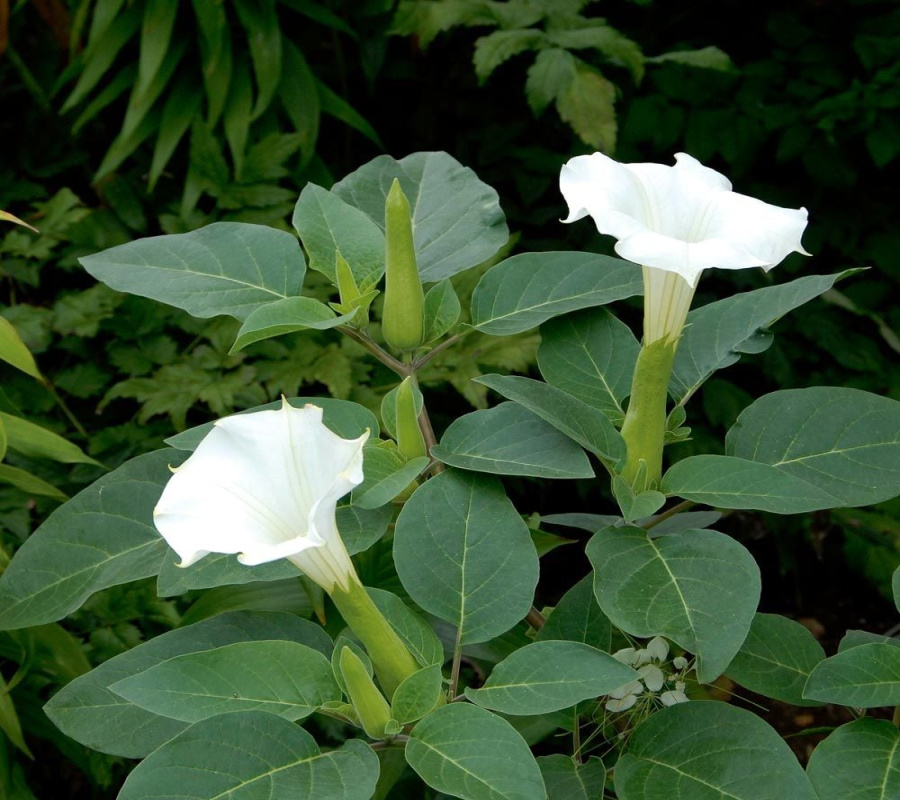
The Deadly Beauty of the Datura Plant
In the realm of flora, there exists a plant so enchanting yet so deadly, it is known as the Datura plant. This bewitching beauty has captured the attention of many with its stunning trumpet-shaped flowers and intoxicating fragrance. However, behind its alluring facade lies a dark and dangerous secret that has earned it the ominous reputation of being one of the most toxic plants in the world.
The Datura plant, also known as jimsonweed or devil’s trumpet, is a member of the nightshade family and is native to the Americas. It can be found growing wild in various regions, from the deserts of the southwestern United States to the tropical jungles of South America. Despite its deadly nature, the Datura plant has a long history of medicinal and ritualistic use by indigenous tribes and cultures.
One of the most striking features of the Datura plant is its large, trumpet-shaped flowers that bloom in shades of white, purple, or pink. These flowers exude a sweet, intoxicating fragrance that is said to lure unsuspecting victims closer. However, what many fail to realize is that every part of the Datura plant is highly toxic, containing potent alkaloids such as scopolamine, atropine, and hyoscyamine.
Ingesting even small amounts of the Datura plant can lead to a wide range of symptoms, including hallucinations, delirium, paralysis, and even death. The effects of Datura poisoning can be unpredictable and vary from person to person, making it an extremely dangerous plant to interact with. Despite its risks, the allure of the Datura plant has led to many unfortunate encounters with curious individuals seeking to experience its hallucinogenic properties.
The history of the Datura plant is filled with tales of mystery and danger. In ancient times, it was used by shamans and sorcerers in rituals and ceremonies to induce altered states of consciousness. However, these practices often came with grave consequences, as the potent toxins of the Datura plant could easily overwhelm the body and mind of those who dared to partake.
Today, the Datura plant continues to fascinate and terrify those who encounter it. Its reputation as a deadly beauty serves as a stark reminder of the dangers that lurk within the natural world. Despite its toxic nature, the Datura plant remains a symbol of mystery and allure, drawing in curious souls with its enchanting flowers and intoxicating fragrance.
In conclusion, the Datura plant stands as a testament to the deadly beauty that exists in the natural world. Its allure may be irresistible, but the consequences of succumbing to its charms can be fatal. As we marvel at the enchanting flowers of the Datura plant, let us remember to tread carefully and respect the potent powers that lie within its delicate petals.
Unveiling the Enchanting Dangers of Datura
The Datura plant, also known as Jimsonweed or Devil’s Trumpet, is a mysterious and alluring plant that has captivated humans for centuries. Its beautiful trumpet-shaped flowers and intoxicating fragrance have a deadly secret that few are aware of. In this article, we will explore the deadly beauty of the Datura plant and uncover the dangers that lie within its enchanting facade.
One of the most fascinating aspects of the Datura plant is its long history of use in various cultures for its hallucinogenic properties. In ancient civilizations, such as the Aztecs and Native American tribes, Datura was used in spiritual and shamanic rituals to induce visions and altered states of consciousness. However, the effects of Datura can be unpredictable and dangerous, leading to psychosis, delirium, and even death.
The deadly beauty of the Datura plant lies in its potent toxins, which can cause a wide range of symptoms when ingested or even touched. The plant contains tropane alkaloids, such as atropine and scopolamine, which can have hallucinogenic effects on the central nervous system. Ingesting even a small amount of Datura can lead to blurred vision, confusion, rapid heartbeat, and even respiratory failure.
Despite its dangers, the Datura plant continues to attract those seeking a thrill or a spiritual experience. Its allure lies in its ability to induce vivid and often terrifying hallucinations, which can be both seductive and terrifying. The plant’s intoxicating fragrance and striking flowers only add to its mystique, drawing in unsuspecting individuals who may not be aware of the risks involved.
In addition to its hallucinogenic properties, the Datura plant also has a dark side when it comes to its effects on the natural world. The plant is highly invasive and can quickly overtake native vegetation, crowding out other plant species and disrupting ecosystems. Its toxic properties also make it harmful to animals and insects, further contributing to its destructive impact on the environment.
Despite its dangers, the Datura plant continues to intrigue and fascinate those who dare to explore its deadly beauty. Its intoxicating fragrance and striking appearance make it a popular choice for gardens and landscaping, despite the risks involved. However, it is important for individuals to be aware of the potential dangers of this plant and to exercise caution when encountering it in the wild.
In conclusion, the Datura plant is a mesmerizing and dangerous plant that holds a deadly beauty unlike any other. Its intoxicating fragrance, stunning flowers, and hallucinogenic properties make it a captivating yet perilous plant to encounter. Whether used in spiritual rituals or simply admired for its aesthetic appeal, the Datura plant remains a potent reminder of the enchanting dangers that lie within the natural world.