Discover the Enchanting Black Gum Tree
The Black Gum tree, also known as Nyssa sylvatica or the Black Tupelo, is a stunning and unique plant that can add beauty and charm to any garden or landscape. With its striking foliage, vibrant fall colors, and interesting bark texture, the Black Gum tree is a favorite among gardeners and nature enthusiasts alike.
Native to North America, the Black Gum tree can be found in various regions across the continent, from the eastern United States to southern Canada. It is a deciduous tree that can grow up to 50 feet tall, with a broad, spreading canopy that provides ample shade in the summer months.
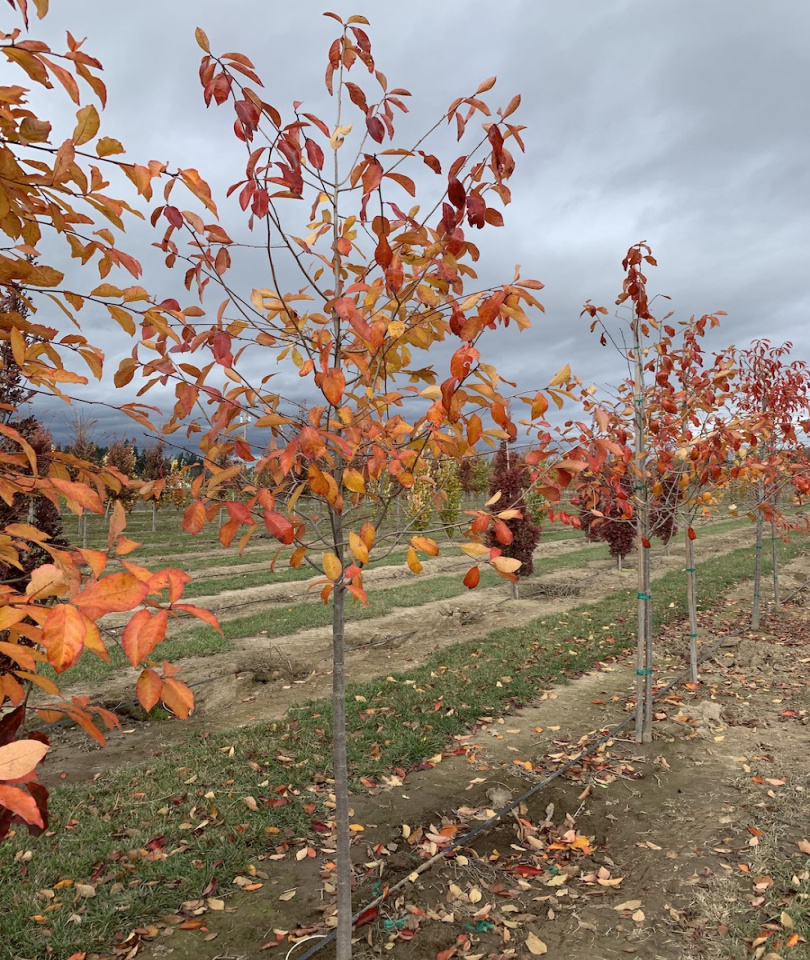
One of the most striking features of the Black Gum tree is its foliage. The leaves are a glossy, dark green color in the spring and summer, providing a beautiful backdrop for the tree’s small, white flowers that bloom in late spring. As the weather turns cooler in the fall, the leaves of the Black Gum tree transform into a brilliant display of red, orange, and purple hues, making it a standout in any autumn landscape.
In addition to its stunning foliage, the Black Gum tree also boasts unique bark that adds to its visual appeal. The bark of the tree is dark and deeply furrowed, creating an interesting texture that complements the tree’s overall aesthetic. This bark texture not only adds visual interest to the tree but also serves as a protective layer, helping the tree withstand harsh weather conditions.
The Black Gum tree is also a favorite among wildlife, as its berries are a valuable food source for birds and other small animals. The berries are small, blue-black in color, and are produced in abundance in the fall. Birds such as robins, cedar waxwings, and bluebirds are particularly fond of the berries and can often be seen feasting on them in the autumn months.
Growing and caring for a Black Gum tree is relatively easy, as long as you provide it with the right conditions. The tree thrives in full sun to partial shade and prefers moist, well-drained soil. It is tolerant of a wide range of soil types, from sandy to clay, making it adaptable to various growing conditions.
When planting a Black Gum tree, be sure to choose a location with enough space for the tree to grow to its full size, as it can become quite large over time. Make sure to water the tree regularly, especially during dry periods, to help it establish a strong root system. Adding a layer of mulch around the base of the tree can also help retain moisture and suppress weed growth.
Pruning is generally not necessary for Black Gum trees, as they have a naturally graceful shape. However, you can prune any dead or damaged branches as needed to promote healthy growth. Fertilizing is also not typically required, as the tree is able to extract nutrients from the soil on its own.
Overall, the Black Gum tree is a beautiful and enchanting plant that can bring a touch of elegance to any garden or landscape. Its striking foliage, vibrant fall colors, and interesting bark texture make it a standout choice for gardeners looking to add a unique and visually appealing tree to their outdoor space. With the right care and attention, the Black Gum tree can thrive and provide years of beauty and enjoyment for you and your family.
Learn How to Nurture this Gorgeous Plant
The Black Gum Tree, also known as the Nyssa sylvatica, is a stunning addition to any garden or landscape. With its unique foliage and striking fall colors, this tree is sure to be the focal point of your outdoor space. But in order to keep your Black Gum Tree healthy and thriving, it’s important to know how to properly nurture and care for it.
One of the key factors in caring for a Black Gum Tree is ensuring that it is planted in the right location. These trees thrive in full sun to partial shade, so be sure to choose a spot in your garden that receives plenty of sunlight throughout the day. Additionally, Black Gum Trees prefer moist, well-drained soil, so be sure to water them regularly, especially during hot, dry periods.
In terms of maintenance, Black Gum Trees are relatively low-maintenance once established. However, it’s important to keep an eye out for any signs of disease or pests. Common pests that can affect Black Gum Trees include scale insects and caterpillars, so be sure to inspect your tree regularly and treat any infestations promptly.
When it comes to pruning your Black Gum Tree, it’s best to do so in late winter or early spring while the tree is still dormant. Remove any dead or damaged branches, as well as any branches that are crossing or rubbing against each other. This will help to promote healthy growth and maintain the tree’s overall shape.
Fertilizing your Black Gum Tree is not usually necessary, as they are able to thrive in a variety of soil conditions. However, if you notice that your tree is not growing as vigorously as it should be, you can apply a slow-release fertilizer in the spring to help promote new growth.
One of the most spectacular features of the Black Gum Tree is its vibrant fall foliage. The leaves of the tree turn a brilliant red, orange, or purple in the autumn, creating a stunning display of color in your garden. To ensure the best fall color, be sure to plant your tree in a location that receives plenty of sunlight, as this will help to intensify the hues of the leaves.
In addition to its stunning fall foliage, the Black Gum Tree also produces small, dark blue-black berries in the fall. These berries are a favorite food source for birds and wildlife, making the tree a great choice for attracting wildlife to your garden. However, be aware that the berries can be messy when they fall to the ground, so be sure to plant your tree away from high-traffic areas.
Overall, the Black Gum Tree is a gorgeous and unique plant that is sure to add beauty and interest to your garden or landscape. By following these tips for nurturing and caring for your Black Gum Tree, you can ensure that it remains healthy and vibrant for years to come. So go ahead and plant a Black Gum Tree in your garden today, and enjoy the beauty and elegance that this stunning tree has to offer.