Delve into the Alluring World of Freesia Blooms
Freesias are a truly enchanting flower that captivates with their beauty and delicate fragrance. These colorful blooms are a favorite among gardeners and flower enthusiasts alike, thanks to their vibrant hues and sweet scent. If you’re looking to add a touch of charm to your garden or home, growing freesias is a wonderful choice.
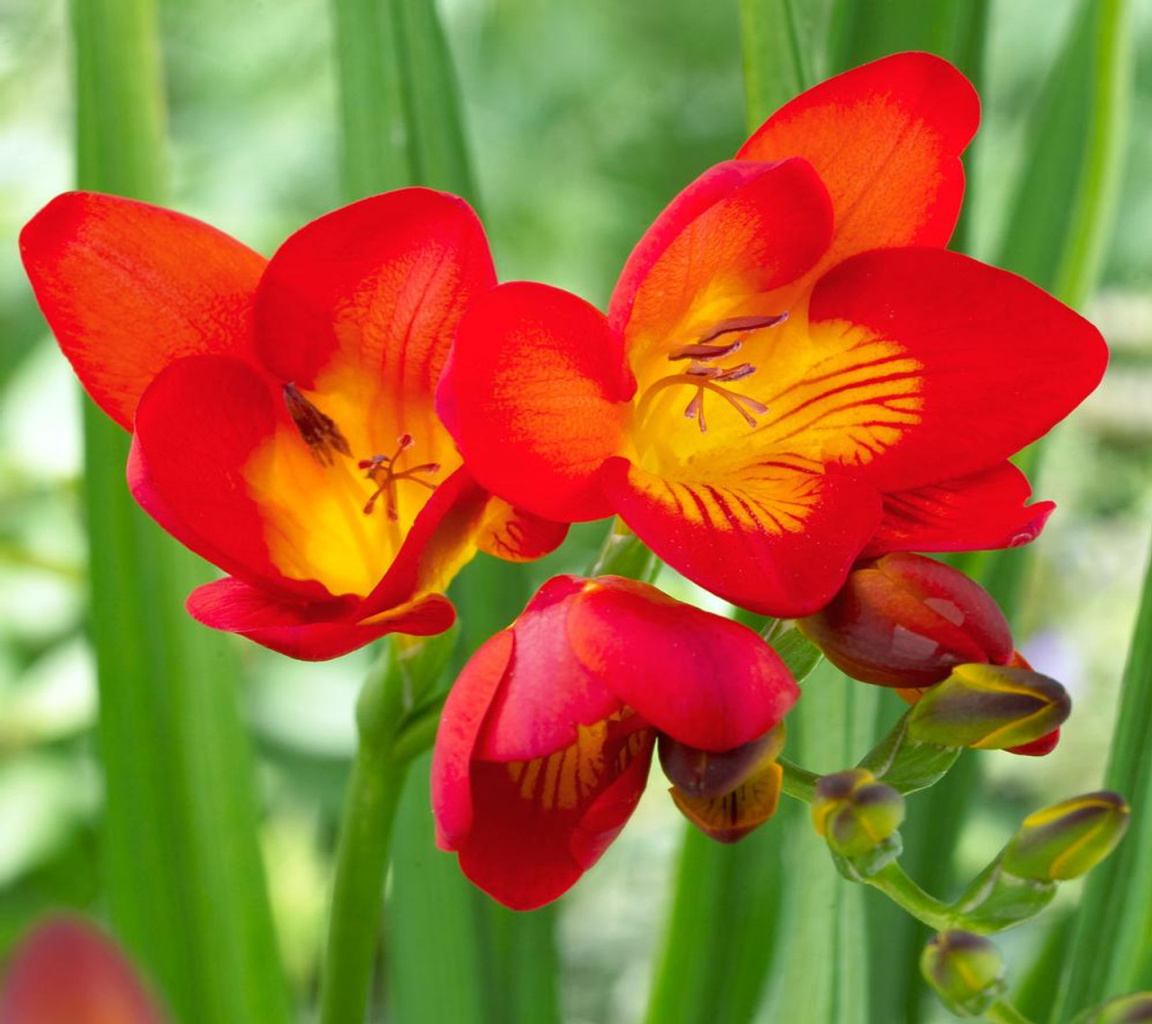
Freesias are native to South Africa and belong to the Iridaceae family. They come in a variety of colors, including white, yellow, pink, red, purple, and orange, making them a versatile and stunning addition to any floral arrangement. The flowers have a unique shape, with funnel-shaped blooms that grow along a slender stem. Their fragrance is often described as a combination of citrus and floral notes, creating a delightful aroma that can fill a room.
When it comes to growing freesias, there are a few key factors to keep in mind. Freesias prefer well-drained soil and plenty of sunlight, so be sure to plant them in a sunny spot in your garden. They also thrive in cooler temperatures, making them an excellent choice for early spring planting. Freesias are typically grown from bulbs, which should be planted in the fall for spring blooms.
One of the most appealing aspects of freesias is their ease of care. Once planted, freesias require minimal maintenance, making them perfect for busy gardeners. Water them regularly, but be careful not to overwater, as this can cause the bulbs to rot. Fertilize the plants occasionally to promote healthy growth and vibrant blooms.
Freesias are also a popular choice for cut flower arrangements, thanks to their long vase life and stunning appearance. When cutting freesias for arrangements, be sure to do so in the morning when the flowers are at their freshest. Remove any foliage that will be below the waterline in the vase to prevent rotting. Freesias can last up to two weeks in a vase, filling your home with their delightful fragrance.
In addition to their beauty and fragrance, freesias also hold special meanings and symbolism. These flowers are often associated with friendship, innocence, and trust, making them a thoughtful gift for loved ones. Whether you’re celebrating a special occasion or simply want to brighten someone’s day, a bouquet of freesias is sure to bring joy and warmth.
Freesias are a wonderful choice for gardeners of all skill levels, offering beauty, fragrance, and charm in abundance. Whether you’re looking to add a pop of color to your garden or simply enjoy the sweet scent of these delightful blooms, growing freesias is a rewarding and enjoyable experience. So why not delve into the alluring world of freesia blooms and discover the beauty and magic of these enchanting flowers for yourself?
Cultivating Fragrant Freesias: Tips for Success
Freesias are prized for their delicate beauty and enchanting fragrance, making them a popular choice for gardens and floral arrangements alike. If you’re looking to add these lovely blooms to your own garden, here are some tips to help you successfully cultivate fragrant freesias.
First and foremost, it’s important to choose the right location for your freesias. These flowers thrive in full sun to partial shade, so be sure to plant them in a spot that receives plenty of sunlight. Freesias also prefer well-drained soil, so make sure the area you choose has good drainage to prevent waterlogging.
When it comes to planting freesia bulbs, timing is key. Plant your freesia bulbs in the fall for spring blooms. Make sure to plant the bulbs with the pointed end facing up, and space them about 2 to 3 inches apart. Freesias prefer to be planted in clusters rather than in straight rows, so feel free to plant them in groups for a more natural look.
Once your freesias are planted, it’s important to keep them well-watered. Water your freesias regularly, especially during dry spells, to keep the soil consistently moist but not waterlogged. Freesias also benefit from a light feeding of a balanced fertilizer every few weeks during the growing season to help promote healthy growth and abundant blooms.
As your freesias begin to grow, you may need to provide support for the tall, slender stems to prevent them from flopping over. Staking or caging your freesias can help keep them upright and looking their best. Additionally, deadhead spent blooms regularly to encourage the plant to produce more flowers and prolong the blooming period.
One of the best things about freesias is their delightful fragrance, which can fill the air with a sweet, floral scent. To fully enjoy the fragrance of your freesias, consider planting them near a seating area or along a pathway where you can appreciate their scent up close. Freesias also make wonderful cut flowers, so don’t hesitate to bring a few blooms indoors to enjoy their fragrance in your home.
When it comes to caring for your freesias, it’s important to keep an eye out for pests and diseases that can affect these delicate flowers. Aphids, spider mites, and thrips are common pests that may target freesias, so be sure to monitor your plants regularly and take action if you notice any signs of infestation. Additionally, fungal diseases such as botrytis can be a problem for freesias, especially in humid conditions. To prevent fungal diseases, make sure to water your freesias at the base of the plant and avoid getting the foliage wet.
With the right care and attention, you can enjoy the beauty and fragrance of freesias in your own garden. By following these tips for cultivating fragrant freesias, you can create a stunning display of these lovely blooms that will brighten your garden and delight your senses. So why wait? Start cultivating fragrant freesias today and experience the joy of growing these beautiful flowers for yourself.